
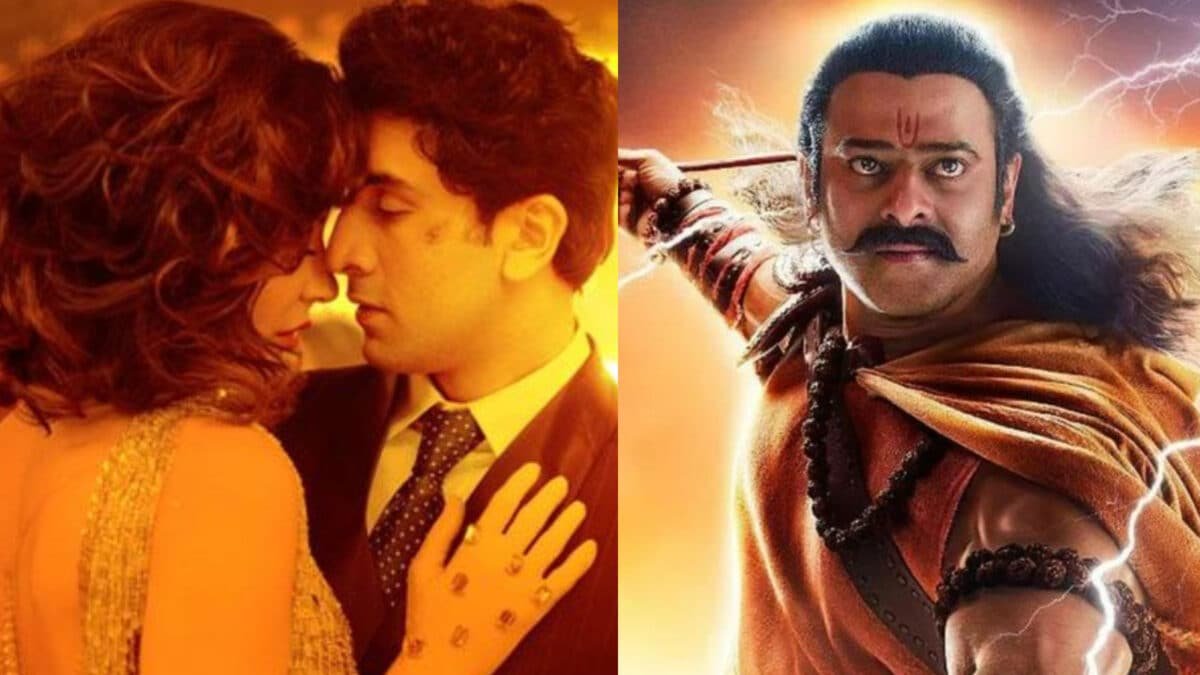
Bollywood has seen many big-budget films fail to live up to expectations despite starring superstars, lavish production values and strong pre-release hype. From ambitious period dramas and fantasy adventures to action spectacles and romantic sagas, these films had almost everything working in their favour on paper. However, weak storytelling, poor reviews, high budgets or audience fatigue affected their box-office performance. Here are 10 films that struggled commercially despite their star power and massive expectations.
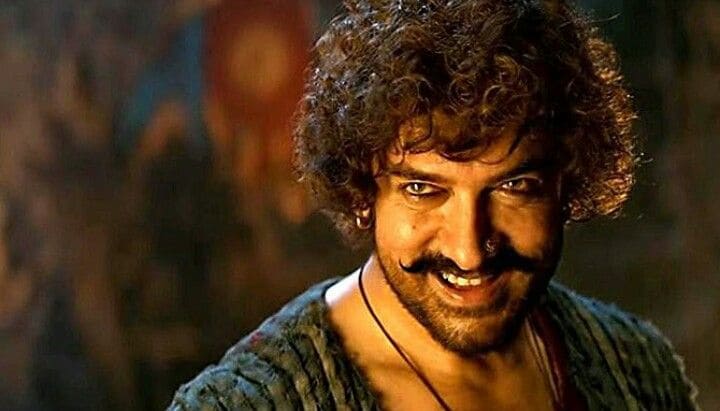
Thugs Of Hindostan: The film brought together Amitabh Bachchan and Aamir Khan for the first time, creating enormous excitement before release. The period action-adventure film also featured Katrina Kaif and Fatima Sana Shaikh, along with expensive sets, elaborate costumes and large-scale action sequences. Made on a reported budget of ₹200-300 crore, it was expected to become a major blockbuster. However, weak reviews, criticism of the storyline and negative word of mouth affected its theatrical run, making it a major disappointment despite its superstar cast.
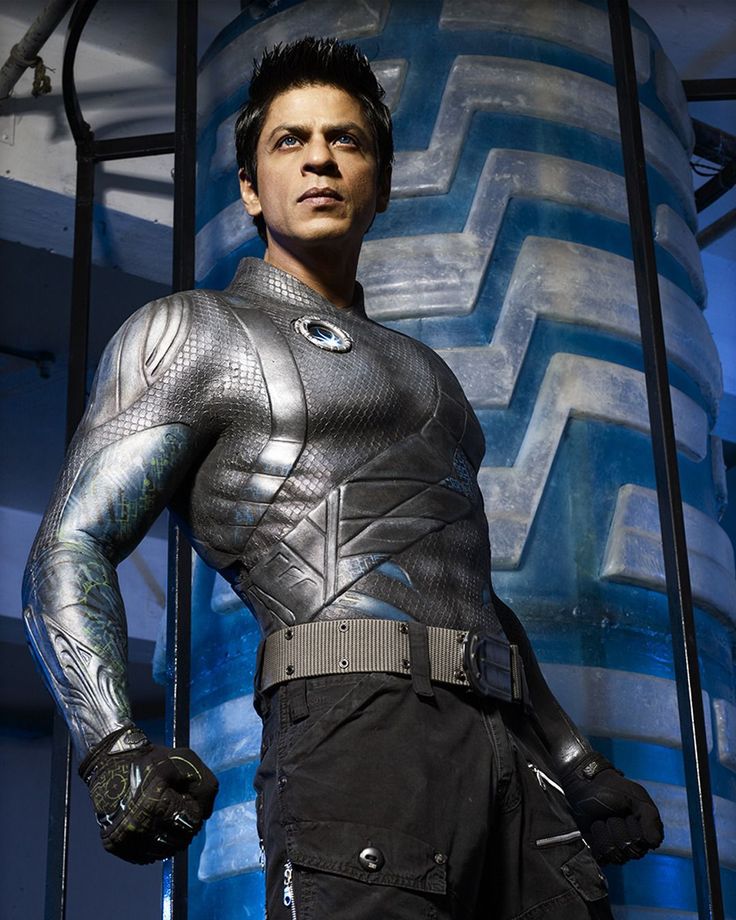
Ra. One: Shah Rukh Khan’s Ra.One was one of Bollywood’s most ambitious attempts at creating a superhero franchise. The film reportedly had a budget of around ₹150 crore, including publicity, and featured advanced visual effects, international technicians and a star-studded cast. Kareena Kapoor Khan played the female lead, while Arjun Rampal portrayed the antagonist. Although the film attracted attention for its scale and technology, mixed reviews and an uneven storyline affected its long-term box-office performance. It remains remembered for its ambition more than its commercial impact.

Bombay Velvet: Ranbir Kapoor played street fighter Johnny Balraj in Bombay Velvet, Anurag Kashyap’s ambitious period crime drama. Set in 1960s Mumbai, the film featured a sprawling world of gangsters, jazz clubs, political power struggles and lavish production design. Despite its reported budget of around ₹110-120 crore and a cast that included Anushka Sharma and Karan Johar, the film failed to connect with audiences. Its complicated narrative, slow pacing and heavy financial expectations made it one of Bollywood’s most notable commercial disappointments.

Zero: Shah Rukh Khan, Anushka Sharma and Katrina Kaif came together for Zero, a romantic drama directed by Aanand L Rai. Shah Rukh played Bauua Singh, a vertically challenged man from Meerut, in a role that required extensive visual effects. Made on a reported budget of around ₹200 crore, the film had strong expectations because of its unusual concept and star cast. However, its complicated second half, uneven storytelling and emotional disconnect with audiences resulted in an underwhelming theatrical performance.
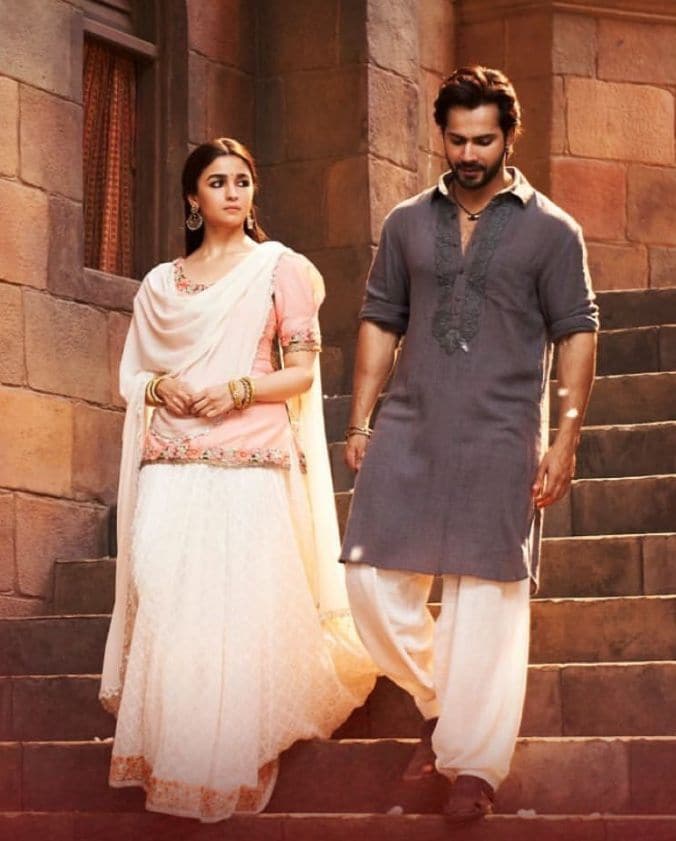
Kalank: The film was promoted as a grand period romance featuring Varun Dhawan, Alia Bhatt, Aditya Roy Kapur, Sonakshi Sinha, Madhuri Dixit and Sanjay Dutt. Produced on a reported budget of around ₹150 crore, the film had elaborate sets, lavish costumes and a dramatic love story set before Partition. Its impressive visual presentation created major pre-release interest. However, the film received mixed reviews for its writing, pacing and emotional depth. Despite its ensemble cast and scale, Kalank failed to meet the expectations surrounding its release.
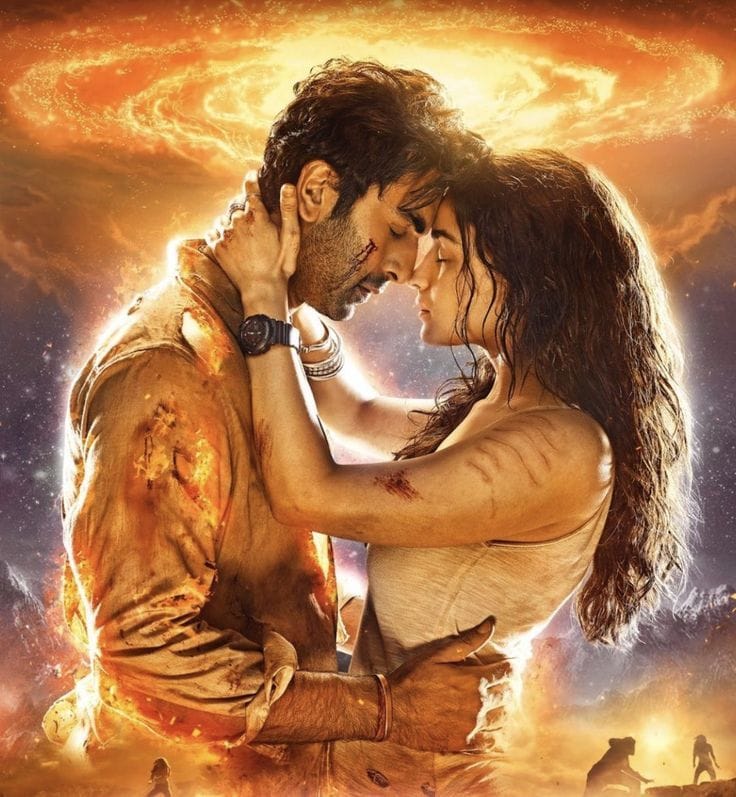
Brahmastra: Part One – Shiva: The film was planned as the first part of a large fantasy franchise starring Ranbir Kapoor, Alia Bhatt, Amitabh Bachchan and Nagarjuna. The film reportedly cost around ₹375-400 crore and relied heavily on visual effects, fantasy mythology and world-building. While it earned substantial money and was not a straightforward flop, its box-office performance fell short of the enormous expectations created by its budget and promotional campaign. The film also received mixed reactions to its dialogue, screenplay and storytelling.
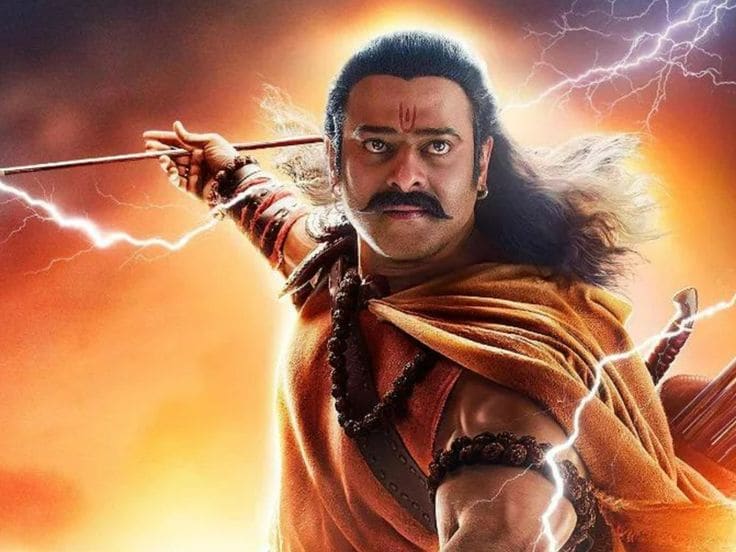
Adipurush: Prabhas and Kriti Sanon headlined Adipurush, a mythological epic inspired by the Ramayana. With a reported budget ranging between ₹500-700 crore, the film was expected to become a major pan-India blockbuster. Its scale, visual effects and star power generated considerable anticipation before release. However, the film faced severe criticism over its computer-generated imagery, dialogues and interpretation of familiar characters. The negative response affected its theatrical performance and overshadowed its ambitious production values, making it one of the most debated big-budget disappointments.
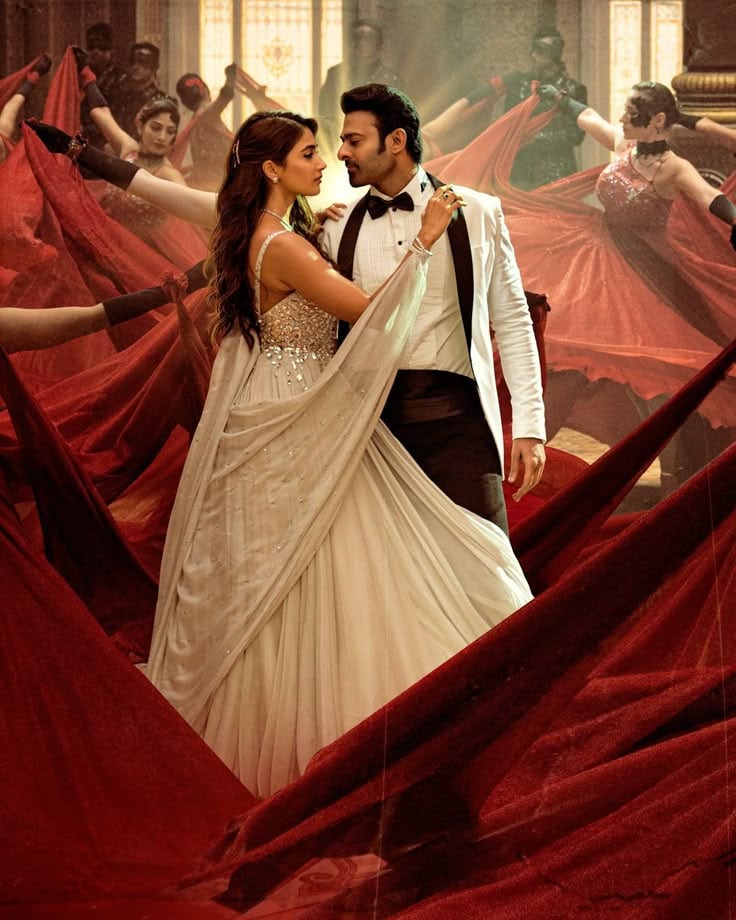
Radhe Shyam: The film starred Prabhas and Pooja Hegde in a romantic drama built around destiny, palmistry and an intense love story. Made on a reported budget of around ₹200-350 crore, the film was released with pan-India expectations following Prabhas’ success in large-scale action films. Its lavish European settings, expensive production design and multiple language versions added to its scale. However, the slow narrative, weak emotional connect and mixed reviews affected audience response. The film struggled to recover its massive reported investment.
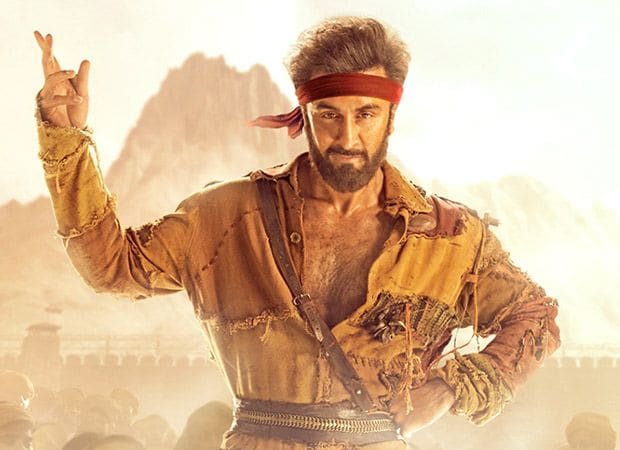
Shamshera: Ranbir Kapoor played a dual role in Shamshera, a period action film set against the backdrop of British rule. The film also featured Sanjay Dutt and Vaani Kapoor and was made on a reported budget of around ₹150 crore. Its large sets, action sequences and promotional campaign suggested that it was being positioned as a major theatrical spectacle. However, the film received negative reviews for its predictable plot, writing and execution. Poor word of mouth led to a disappointing box-office run despite its star cast.
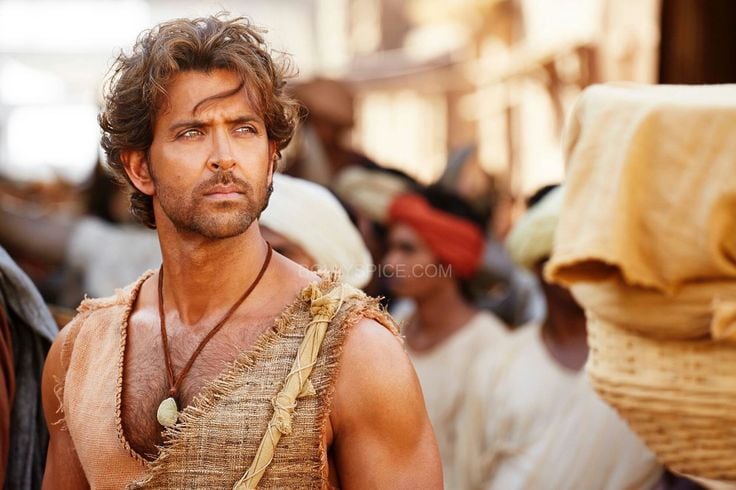
Mohenjo Daro: Hrithik Roshan and Pooja Hegde starred in Mohenjo Daro, Ashutosh Gowariker’s ambitious historical adventure set in the Indus Valley civilisation. The film reportedly had a budget of around ₹138–145 crore and featured elaborate sets, costumes and large-scale production design. Expectations were high because of Hrithik’s popularity and the director’s reputation for period films. However, the film struggled with its lengthy runtime, weak storytelling and mixed reviews. Its disappointing theatrical performance made it one of the major big-budget setbacks of its time.