
Pakistan’s own political leaders have acknowledged the risks posed by mounting frustration among younger people.
In July, Interior Minister Mohsin Naqvi warned policymakers against underestimating young Pakistanis frustrated by limited economic opportunities and dissatisfied with the existing system.
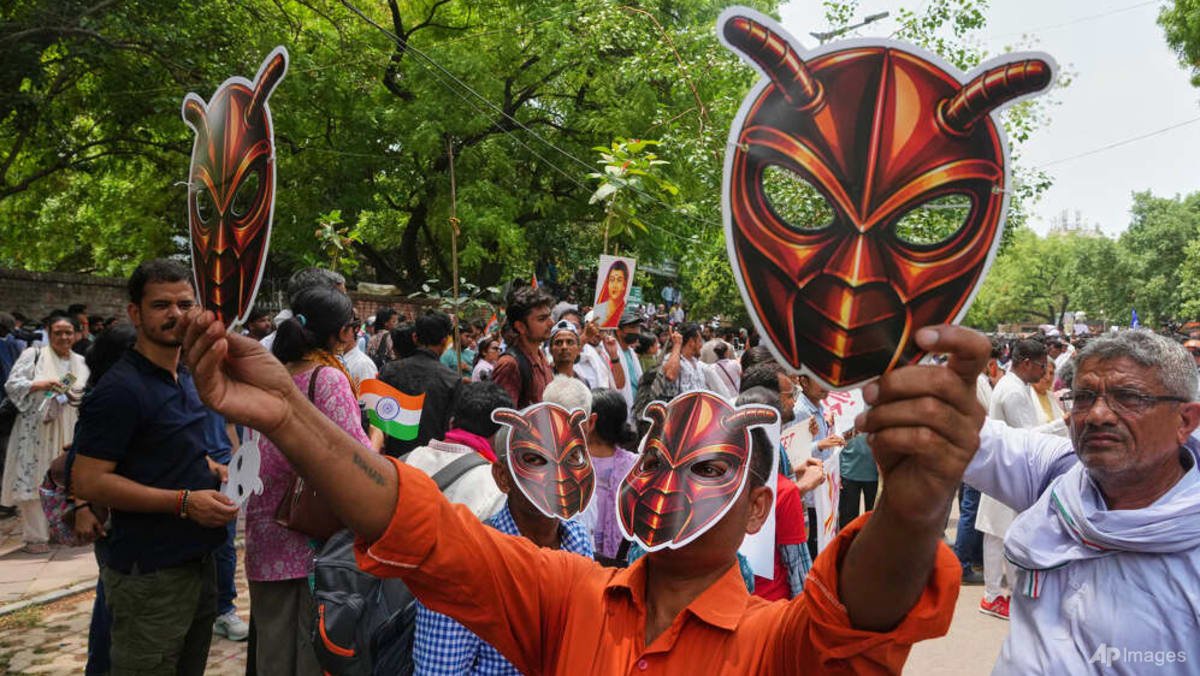
In an apparent reference to youth-led protests across the border in India, he said: “We are unable to give our youth what they want. You can call them youth or cockroaches or whatever. But if these cockroaches get together, then they can overturn everything.”
His warning comes as Pakistan grapples with persistent economic pressures, a difficult job market, political divisions and security challenges – adding to uncertainty over the prospects facing its younger generation.
RESONATING ACROSS THE BORDER
Analysts say those conditions help explain why a youth movement in India can find an audience among some Pakistanis, despite decades of political hostility and strained relations between the neighbours.
“They need jobs, they need opportunities. The government is responsible for those opportunities to be created,” said Khurram Abbas, India Study Centre director at the Institute of Strategic Studies Islamabad.
“In that capacity, there is significant resentment in the young population of Pakistan. But they are not as socially connected with each other as the Indian youth.”
For now, there is little indication that the engagement among Pakistani students will translate into organised protests of the kind seen across the border.
But the interest generated by the CJP shows how grievances over education, employment and opportunities can resonate across even one of South Asia’s most politically fraught borders.
