
Indian universities are facing protests over student safety and their handling of complaints, as a death in Mumbai, reports of harassment in Delhi and disputed claims of assault and deaths in Punjab bring students into confrontation with authorities.
The unrest has disrupted teaching at two private universities and prompted police investigations and court intervention. Although the protests have different origins, students across the campuses have questioned whether institutions listen to their concerns and communicate openly when crises occur.
The demonstrations follow a separate wave of protests over leaks in India’s national medical entrance examination. As The PIE News reported in July, that movement prompted examination reforms and education minister Dharmendra Pradhan’s resignation, with protesters broadening their demands to accountability across the education system.
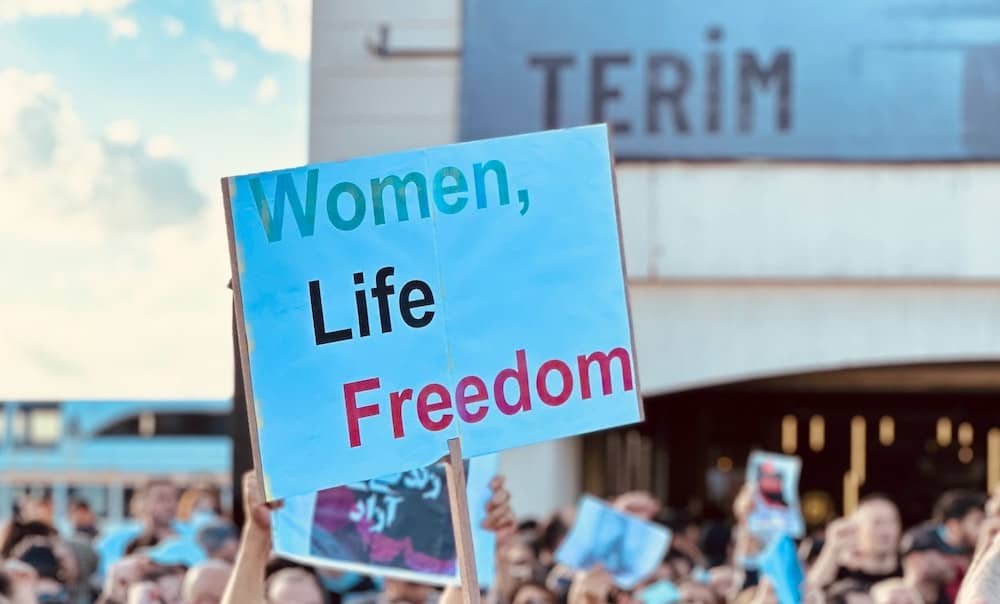
In Delhi, demonstrations have centred on women’s freedom to move safely around university neighbourhoods, following the alleged gang rape of a 17-year-old girl at a park in the city’s south, away from university premises.
Students from Miranda House, Lady Shri Ram, Gargi, Kamala Nehru and Shyama Prasad Mukherji colleges joined the protests, with a September 28 march through Delhi University’s North Campus drawing an estimated 3,000-plus people, according to media reports.
Students reported being followed by men on motorcycles, facing catcalling and avoiding poorly lit routes between colleges, accommodation and public transport. The Delhi University Students’ Union also submitted a memorandum to chief minister Rekha Gupta seeking improved lighting, regular patrols and properly maintained women’s police assistance booths.
“We want the government to take responsibility for all the rape cases. Why can’t we go outside? Being able to walk safely outside is our right, and we are here to demand it,” one student told Indian news agency IANS.
Ensuring the safety of every student studying in Punjab is the government’s priority and an SIT has been constituted to probe the LPU incident
Baltej Pannu, Aam Aadmi Party (AAP)
In Punjab, concerns about safety have become entangled with conflicting accounts of what happened at Lovely Professional University (LPU), a large private institution enrolling students from India and overseas.
On September 30, the Punjab and Haryana High Court sought a status report from the state government on the rape allegation that triggered campus unrest, asking police to explain their verification efforts and investigation into the social media post through which it circulated.
The hearing followed a student’s petition seeking an investigation by the Central Bureau of Investigation (CBI), India’s federal investigative agency. The court had not ordered such an inquiry.
Unrest began in the early hours of September 27 after messages alleged that a student had been raped and university officials had failed to act. Demonstrators blocked a major highway, while vehicles were set alight and university and police property damaged.
Police registered a rape case against an unidentified person and formed a special investigation team to establish what happened. Senior officer Naveen Singla told the BBC that no alleged victim had been identified and initial CCTV checks had not substantiated an assault.
“As of now, it can’t be verified that rape has happened or not,” he said.
LPU categorically denied the allegation. Registrar Monica Gulati said the claims were false and appeared intended to damage the institution’s reputation.
Three students who denied an assault had occurred in their room in a university video later alleged they had been told what to say and that the footage was published without consent. The BBC reported that these claims remained unverified and LPU had not commented.
Students described fear as the unrest escalated. “Our parents also want us to just get out of here,” student Arya told BBC Punjabi.
LPU suspended classes for 10 days and postponed examinations, allowing students to return home after consulting their families. Police are separately investigating the violence, including the possible involvement of outsiders.
Punjab chief minister Bhagwant Mann directed the state’s police chief to visit the campus and ordered action against those responsible for vandalism and arson, according to a government spokesperson.
The state’s ruling Aam Aadmi Party defended the police response, with its media spokesperson Baltej Pannu saying officers had acted with restraint and professionalism.
“Ensuring the safety of every student studying in Punjab is the government’s priority and an SIT has been constituted to probe the LPU incident,” he said.
At Chitkara University, also in Punjab, protests erupted on September 25 after conflicting claims circulated that two female students were missing or had died.
Police said their inquiries found nothing supporting those claims. The university explained that an ambulance seen at a hostel had brought a student back from hospital and was unrelated to any death.
“These were all rumors and the result of social media posts,” registrar Rakesh Sharma told The Wire, adding that classes would resume on October 5.
The Punjab State Women Commission has sought reports from district authorities on both institutions, including their arrangements for student safety, according to media reports.
In Mumbai, protests at the Indian Institute of Technology Bombay (IIT Bombay), one of India’s leading engineering institutions, followed the death by suicide of second-year student Sahil Wakode on September 18.
His parents, who allege caste-based harassment, have begun a hunger strike as Mumbai’s Crime Branch investigates his death, while federal minister Ramdas Athawale has assured the family of justice.
Students have demanded an independent investigation and reforms to welfare and disciplinary procedures. Alumni have also questioned the institute’s complaints mechanism for Scheduled Castes and Scheduled Tribes, communities covered by constitutional protections against historic disadvantage.
IIT Bombay initially alleged that Wakode had used a phone and ChatGPT during an examination, but later apologised for characterising events before the facts had been established.
The institute removed Professor Suryanarayana Doolla, who had reported the suspected misconduct, from his role as dean, while its faculty forum defended him as having followed procedures. Director Shireesh Kedare announced a 10-member inquiry committee, including students and a psychiatrist.
The criticism also extends to whether students feel able to report discrimination when those they complain about may influence their academic futures.
IIT Bombay alumnus Amogh Meshram told The Telegraph: “The SC/ST cell is part of the same institute, answerable to the same administration and may include colleagues of the very faculty member a student needs to complain about.”