
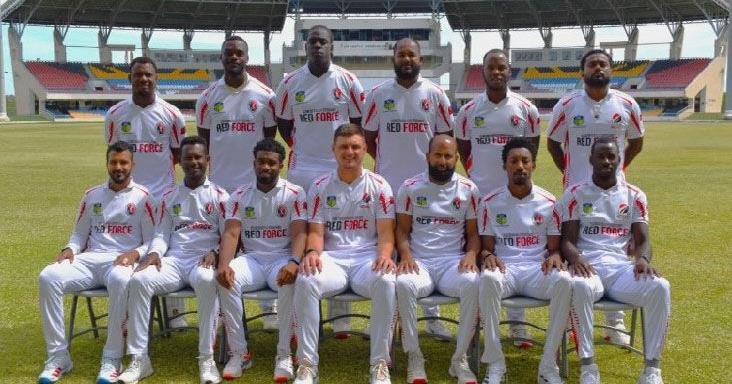
Trinidad and Tobago Red Force head coach Rayad Emrit is determined to keep his players active and progressing, with overseas leagues and other playing opportunities likely to become even more crucial during the five-month downtime created by Cricket West Indies (CWI) cutting franchise players’ contracts from 12 to seven months.
CWI chief executive officer Chris Dehring announced the reduction last week as part of a wider cost-cutting exercise aimed at addressing the board’s cash-flow problems and putting its finances on a more sustainable footing.
“We just have to make sure that the guys are playing cricket throughout,” Emrit said. “We don’t want any downtime to affect their progression as players.”
He said the players knew some form of reduction was coming and, while disappointed by CWI’s decision, understood the financial circumstances behind the move.
“I don’t think it’s the news that the players wanted to hear,” Emrit said. “They are disappointed…but they also understand that the financial situation with Cricket West Indies is not the best. The news was always in the air that the contracts are going to be affected and they understand that.”
Emrit insisted preparations for T&T’s title defence could not suffer after the Red Force ended a 20-year wait for the West Indies Championship title last season.
“So the preparations obviously are still ongoing,” he said. “We have to prepare to defend our title. We have to make sure that the guys who are contracted are there and preparing well.”
The challenge, he said, will be ensuring that players outside the contracted group who form part of the Red Force system also get the opportunity to train and prepare with the team.
“We have to find a way now to make sure that the other players who are involved in the system find a way for them to be there and to get the job done and to get the work in before the tournament actually starts,” Emrit said.
The seven-month retainer arrangement, however, creates uncertainty for players once the contracted period ends.
Emrit said Red Force management could not determine what players do after their domestic contracts expire, but hoped they would remain active through franchise cricket and overseas opportunities.
“We have no control what the players will be doing after the contract period is over but what we hope will happen is that players can get in some of the leagues and continuously play cricket throughout the year,” Emrit explained.
“We’re hoping that most of them get into CPL again like what happened this year and they can play cricket. If not, there are leagues. Hopefully some of them could go off to England as well,” he added.
For the Red Force coach, the concern is not simply about keeping players match-fit. Extended periods without competitive cricket could affect their development.
“I’ll try my best as head coach to make sure that the players are playing cricket throughout and we don’t have much downtime,” Emrit said.
Despite the shorter contracts, Emrit does not expect the changes to have a negative impact on the fitness standards of the Red Force squad.
“I don’t think it will affect the fitness levels because we have a lot of time where players have had a 12-month contract and their fitness levels were a bit up and down,” Emrit said.
“Thankfully, we got that sorted out now and I can safely say that 90% of the players in the Red Force team are at a very good fitness standard.”
“We want to maintain that,” Emrit said. “The players themselves know how important the fitness is for the team to be successful and we try to make sure that everyone is at a certain level in their fitness.”
And despite the uncertainty created by the financial changes, Emrit believes last season’s success has given the Red Force players an added hunger for more.
“We want to continue that and I think with the success that we had this season, the players are even more hungry now for more success and we could continue in that vein,” the Red Force coach said.