
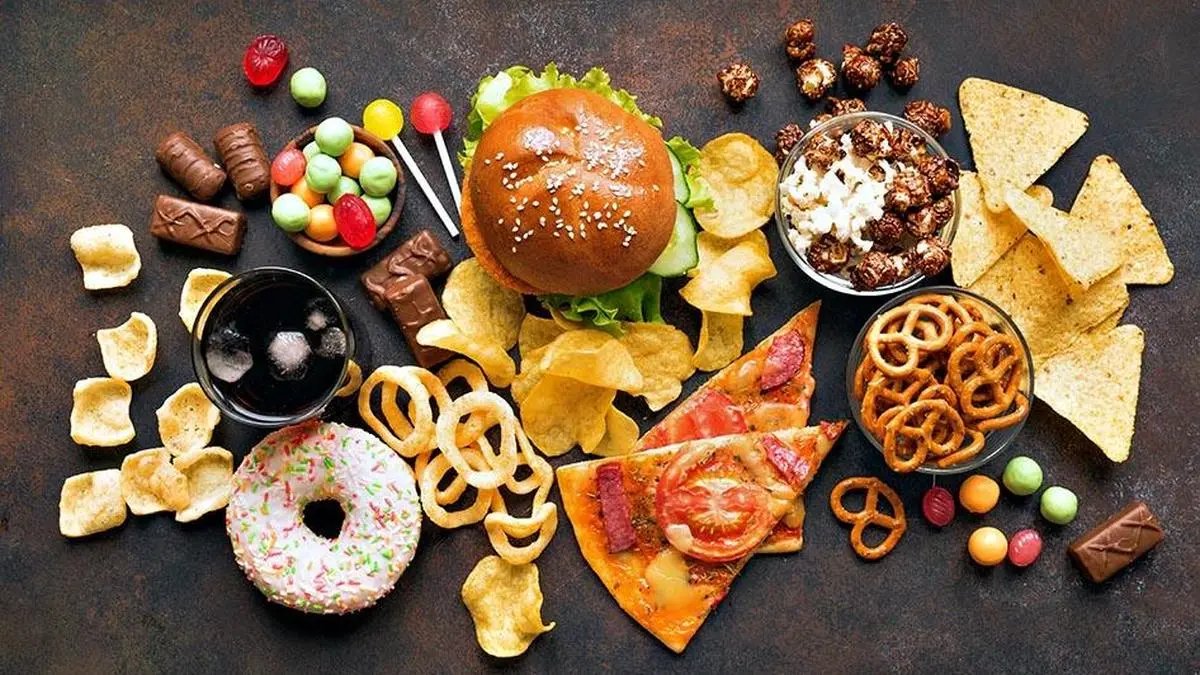
India is moving
closer to new regulations to restrict the sale of foods high in
fat and sugar within a 50-metre radius of schools, the latest
proposal to cut the consumption of junk food in a country
battling growing rates of obesity, especially among children.
The rule would impact family-run stores, restaurants and
food stands selling everything from sugary soft drinks and salty
chips to greasy samosas and fatty pizzas or burgers close to
India’s 1.5 million schools.
It could prove another hurdle for multinationals such as
PepsiCo, Coca-Cola, Mondelez and Nestle, which already face
proposed rules to put red warning labels on products high in
fat, salt and sugar (HFSS), bringing India into line with
markets such as Chile and Mexico that have tougher food safety
regulations.
Some Indian businesses and grocery shop owners near schools
are already fretting. In Bhubaneswar city in eastern India, a
dozen shopkeepers said sales could drop by a third or more.
At one shop, 15-year-old Priyanshu Palei bought two packets
of PepsiCo’s popular Uncle Chipps, stuffing them into his
backpack on the way to class. “I will have these during recess,”
he said, preferring them over his mother’s packed lunch of rice
and lentil stew.
That’s the habit India wants to break.
Rajit Punhani, the chief executive of the Food Safety and
Standards Authority of India, which is driving the changes, said
the “safe food” schools plan aimed to steer children away from
unhealthy habits early on.
“We have to discourage children from having these. We have
to inculcate this habit,” he told Reuters. “It will not have an
impact on businesses in a major way. Shop owners can sell
non-HFSS foods,” he added, saying regulations are aimed at
nudging companies to reformulate recipes.
There is no fixed timeline for the law, first proposed in
2020. Amid a nationwide food safety crackdown, the authority in
August published thresholds for fat, salt and sugar content that
would trigger restrictions on sales near and inside schools,
inviting public feedback until October 6.
CHILD OBESITY SURGING IN INDIA
In recent years, products ranging from Lay’s chips to
Cadbury chocolates and Maggi noodles have grown in popularity.
Some Indians with lower incomes view buying foreign brands as a
mark of an improving lifestyle, while also being drawn by cheap
prices. In 2023, Domino’s launched its cheapest pizza in the
world in India, selling for just 49 rupees (50 US cents).
As diets changed, the number of Indian children aged 5-19
deemed overweight or obese has also climbed. From 28 million in
2015, it surged nearly 50% to 41 million by 2025 and will touch
56 million by 2040, World Obesity Federation data shows.
While India’s federal law aims to block near-school shops
from selling and advertising HFSS products only to
schoolchildren, the western state of Maharashtra, home to
Mumbai, has taken a stricter approach – no shop within 50 metres
of schools can carry such products, state food safety
commissioner Tukaram Mundhe told Reuters.
“There will be hundreds of such shops near schools. How will
one regulate if they are selling to schoolchildren or not? Shops
cannot stock these items,” said Mundhe.
State data accessed by Reuters showed inspectors have so far
found violations at 133 shops within 50 metres of schools, and
ordered 51 to discontinue their business.
INDUSTRY WOES
The Confederation of Indian Food Trade and Industry is
concerned, saying compliance would be difficult as many schools
are close to congested markets serving the general public,
according to its confidential draft submission made to respond
to the proposal, and reviewed by Reuters. The trade group did
not respond to queries.
The law can cause “loss of business and livelihood,” the
document said, arguing restrictions should only apply inside
schools.
Asked about the schools proposal, PepsiCo, which owns Lay’s,
referred Reuters to its global policy which limits what products
it allows to be sold in schools. Nestle, which makes Maggi
noodles, said it follows its global policy which only allows the
sale in primary and secondary schools of products that meet
specific nutrition criteria.
Coca-Cola and Mondelez, owner of Cadbury, did not respond to
Reuters queries.
Rahul Khanna, a food regulations specialist at Indian law
firm RAKLaw, said there was a “wave of concern” among his firm’s
clients, especially confectionery makers for whom children are
an “important consumer segment”. He did not name the clients.
Around the world, five countries have proposed or
implemented sale restrictions around schools, while 48 have
restricted junk food sales inside schools, according to
researchers at the University of North Carolina.
In 2016, Chile imposed new rules on warning labels and
prohibited the sale and promotion of junk food in schools. A
Lancet study this year said that 18 months of exposure to the
law saw a 2.85% lower probability of excess weight among girls,
and 2.4% among boys.
The law also pushed manufacturers to reformulate recipes of
many products in Chile.
“If the law were ineffective and consumers did not change
their behaviour, producers would not push back,” said Guillermo
Paraje, a professor at Adolfo Ibáñez Business School in Chile.
“They know the law will make them reformulate as much as
they can.”
Published on September 24, 2026