
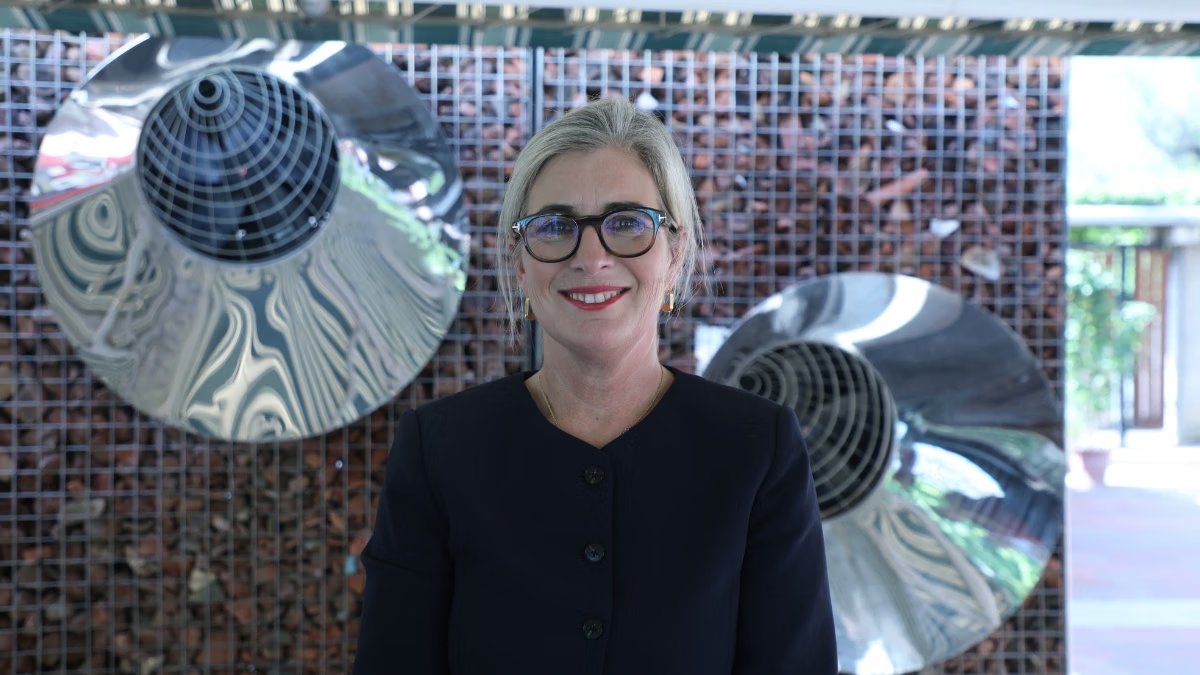
New Delhi: Canada is looking to rebuild and strengthen ties with India by attracting more top Indian students, University of Toronto president Melanie Woodin told ThePrint, as applications to the university saw a rise this year after two years of decline.
In an interview Tuesday during her visit to India, Woodin said Canada wants to “make sure that when they (students) come, they have an outstanding experience and that they are well cared for.”
India-Canada ties deteriorated after the Hardeep Singh Nijjar killing row in 2023, disrupting student mobility and visa processing. The relationship has since begun to improve under Canadian Prime Minister Mark Carney, with the two countries seeking to expand talent and research ties through new student exchanges and university partnerships.
Woodin said applications from India have increased this year compared with the previous two years, although they remain “below the levels seen several years ago”.
The university is working closely with Immigration, Refugees and Citizenship Canada and has a 90 percent visa approval rate for students coming to the University of Toronto, she said. It has also assigned a dedicated immigration officer to every student who receives an offer.
“We invested a lot of our own resources so that every student that now receives an offer has a concierge, white glove service, and a dedicated immigration officer that is there to support them in every step of their journey, because it’s complicated to move to a new country,” she said.
Also Read: How Punjab’s Canada dream came crashing down
On post-study work permits
Indian students have raised concerns over changes to Canada’s post-graduation work permit rules, which determine their ability to work there after completing studies.
Woodin said the recent changes apply to colleges, not the University of Toronto. She said the university focuses on giving students work experience through internships and industry placements during their studies.
“Students still come to the University of Toronto, and Canada wants them to stay and have the opportunity to contribute to our country, should they choose to do so. The university also supports students who choose to return to their home countries after graduation.”
The University of Toronto is looking to deepen research collaborations with Indian universities, with urban sustainability and artificial intelligence emerging as key areas, Woodin said.
Through the university’s India Foundation, established three years ago with funding from Tata Trusts, researchers from the varsity and Indian institutions are working with students to identify urban sustainability challenges and develop practical solutions.
“We wanted to think about how we could have our researchers together from any university in India, together with University researchers, and their students, most importantly, identify real needs around sustainability in cities, and develop innovative research solutions that we could put into practice,” Woodin said.
AI is another major focus. The university has been working with partners including IIT Bombay, while Reliance Jio University in Mumbai is also interested in AI collaborations.
“They have a real interest in artificial intelligence,” she said, adding that the university hosted an event in Mumbai last week with university leaders, existing partners and industry representatives, including Brookfield and Reliance, to explore potential AI collaborations.
(Edited by Chingkheinganbi Mayengbam)
Also Read: 41% dip in Indian students headed to Canada, Russia sees a 34% uptick—govt tells Parliament