
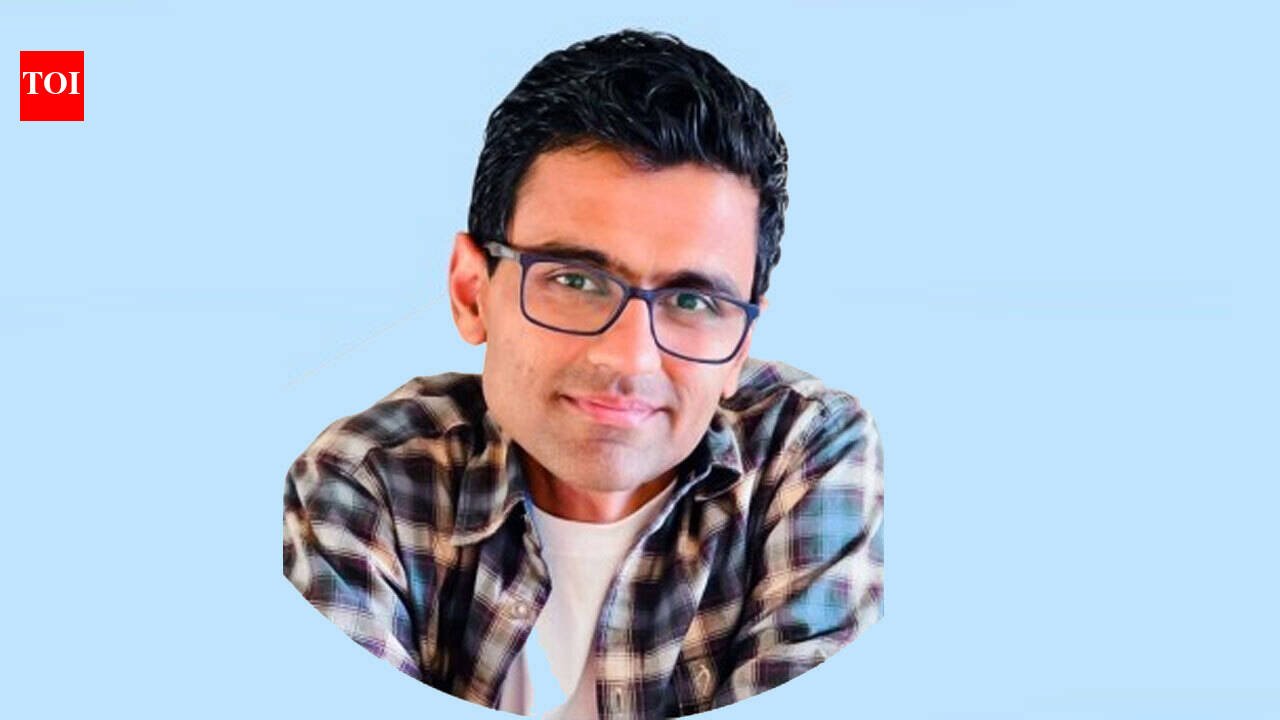

Indian students planning to pursue a master’s degree in the US are facing a difficult question: does the potential career payoff justify the rising cost and uncertainty around jobs and visas? Dhaval Patel, AI and data entrepreneur and founder of Codebasics, has advised students to think carefully before making the move, citing the high cost of education and challenges faced by international graduates in finding jobs and securing H-1B visas.Patel, who has more than 17 years of industry experience and has previously worked at NVIDIA and Bloomberg, shared his views on LinkedIn after speaking to a graduate who had completed a master’s degree from a US university. According to Patel, several of the graduate’s friends had returned to India after failing to secure jobs or H-1B sponsorship.
$100,000 cost for a two-year US master’s
One of Patel’s biggest concerns is the financial burden. He estimated that a two-year master’s degree in the US could cost around $100,000, or nearly Rs 95 lakh, including approximately $70,000 in tuition fees and $30,000 in other expenses.For students relying on education loans, the financial risk can be significant if they are unable to secure employment after graduation. Patel said returning to India with a large debt could be challenging.However, the actual cost varies widely depending on the university, programme, location, scholarships and living expenses. Similarly, employment outcomes differ across courses and individual students.
Jobs and H-1B add to the uncertainty
Finding a job is only one part of the challenge for international students. Graduates who want to remain in the US also have to navigate the country’s immigration system.Eligible F-1 students can generally use Optional Practical Training (OPT) after completing their studies. Students with qualifying STEM degrees may be eligible for a 24-month STEM OPT extension, potentially allowing up to three years of work authorisation.However, OPT does not guarantee long-term employment or an H-1B visa. The H-1B programme has annual numerical limits, making sponsorship an important consideration for international students planning their careers in the US.
Patel says students should assess ROI carefully
Patel clarified that his post was not intended to spread fear, but to share observations from people he has encountered.His warning does not mean every Indian student pursuing a US master’s degree will struggle. Students with strong academic profiles, relevant skills, work experience and degrees aligned with employer demand can have different outcomes.For prospective students, Patel’s comments underline the importance of looking beyond university rankings. Before taking a large education loan, students need to consider the total cost of the degree, likely salary, employment opportunities, STEM eligibility where applicable, H-1B sponsorship prospects and a backup plan if they do not secure a US job.For many Indian families, the US master’s decision is ultimately not just about studying abroad. It is a calculation involving education cost, career opportunities, loan repayment and immigration uncertainty.