
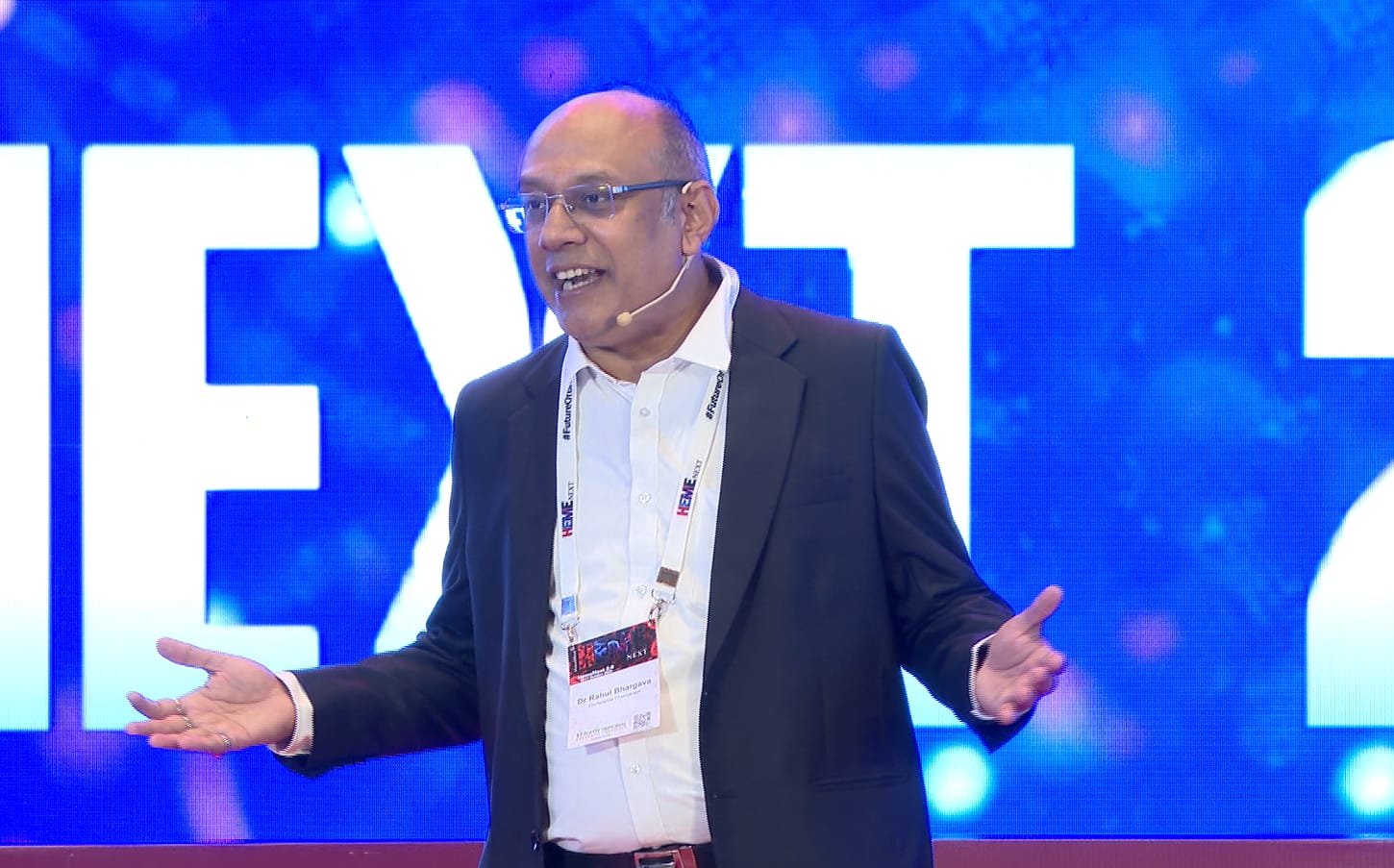
– Two-day international conclave focuses on genomics, CAR-T therapy, transplantation and responsible AI to strengthen precision care and patient access –
– Childhood blood disorders, survivorship and infection management feature across three parallel scientific programmes –
Gurugram: Fortis Memorial Research Institute (FMRI), Gurugram, today inaugurated HemeNext 2.0, a two-day international scientific conclave bringing together Indian and global experts to translate advances in blood science into more precise, accessible, and affordable care.
India’s cancer burden was estimated at 14.6 lakh new cases in 2022 by the Indian Council of Medical Research–National Cancer Registry Programme (ICMR–NCRP). Lymphoid leukaemia was the leading childhood cancer, accounting for approximately 29% of cancers among boys and 24% among girls aged 0–14 years, underscoring the need for timely diagnosis and sustained access to specialised treatment.
Held on 10–11 October at The Westin, Sector 29, Gurugram, and led by the Fortis Institute of Blood Disorders, the conclave features three parallel scientific programmes spanning adult and paediatric haematology, genomics, cellular therapies, transplantation, AI and infectious diseases. The scientific sessions bring together over 200 faculty members and 400 participants from the United Kingdom, United States, and Singapore, along with Indian specialists, to share research and clinical experience through case discussions, debates, and scientific presentations.
Dr. Rahul Bhargava, Principal Director & Chief – Haematology, Haemato-Oncology & BMT, Fortis Hospital Gurugram, and Chairperson, HemeNext 2.0, said, “India’s priority is to ensure that scientific progress reaches patients in time and at a cost they can afford. HemeNext 2.0 connects global research with Indian clinical experience to examine which advances can improve care and what is needed to deliver them safely. The focus is on informed treatment decisions, stronger clinical collaboration, and wider access.”
Precision diagnostics and advanced therapies
Sessions will examine next-generation sequencing, rapid genomic testing, multi-omics and measurable residual disease—the small amounts of cancer that may remain during or after treatment. Discussions will focus on how these tools can refine diagnosis, assess risk and guide treatment, while addressing turnaround times, interpretation, and affordability.
Dr. Shrinidhi Nathany, Consultant – Molecular Haematology and Oncology, Fortis Hospital Gurugram, and Organising Secretary, HemeNext 2.0, said, “Patients with the same broad diagnosis can have different disease biology and treatment needs. Genomics helps us understand those differences. Its value lies in selecting the right test and translating the result into a useful clinical decision. Making appropriate testing timely, reliable, and accessible is essential to advancing precision care in India.”
The programme also explores CAR-T cell therapy, which modifies a patient’s immune cells to attack cancer cells, alongside targeted treatments and bone marrow transplantation. Experts will discuss patient selection, treatment timing, safety monitoring and the infrastructure and costs influencing access to these therapies.
Childhood care and infection management
The paediatric programme addresses leukaemia, inherited marrow failure, thalassaemia, sickle cell disease and transplantation, alongside survivorship, immune health, fertility preservation and late effects of treatment. Sessions on donor registries and public-private partnerships will examine opportunities to expand access.
Dr. Vikas Dua, Principal Director & Head – Paediatric Haematology, Haemato-Oncology & BMT, Fortis Hospital Gurugram, and Chairperson, HemeNext 2.0, said, “For children with blood cancers and inherited disorders, care must protect both life and the years ahead. Timely referral, support to complete treatment and long-term follow-up are equally important. Sharing international evidence and Indian experience can help strengthen care from diagnosis to survivorship and identify partnerships that enable more children to access treatment.”
A dedicated infectious diseases programme will cover sepsis, fungal infections, antimicrobial resistance, viral infection prevention and immunisation—critical considerations for patients whose immunity is weakened by disease or treatment.
Responsible innovation and future expertise
AI sessions and a case-based “AI vs Human” debate will examine applications in diagnostics, genomics, and research, with emphasis on evidence, validation, data safeguards and clinician oversight. The Start-up Lounge will connect clinicians with healthcare innovators, while scientific abstracts and The Heme Arena, an inter-institutional quiz for resident doctors, will support research exchange and emerging specialists.
HemeNext 2.0 brings global knowledge and Indian clinical priorities together around a shared goal: turning advances in blood science into meaningful care for more patients.