
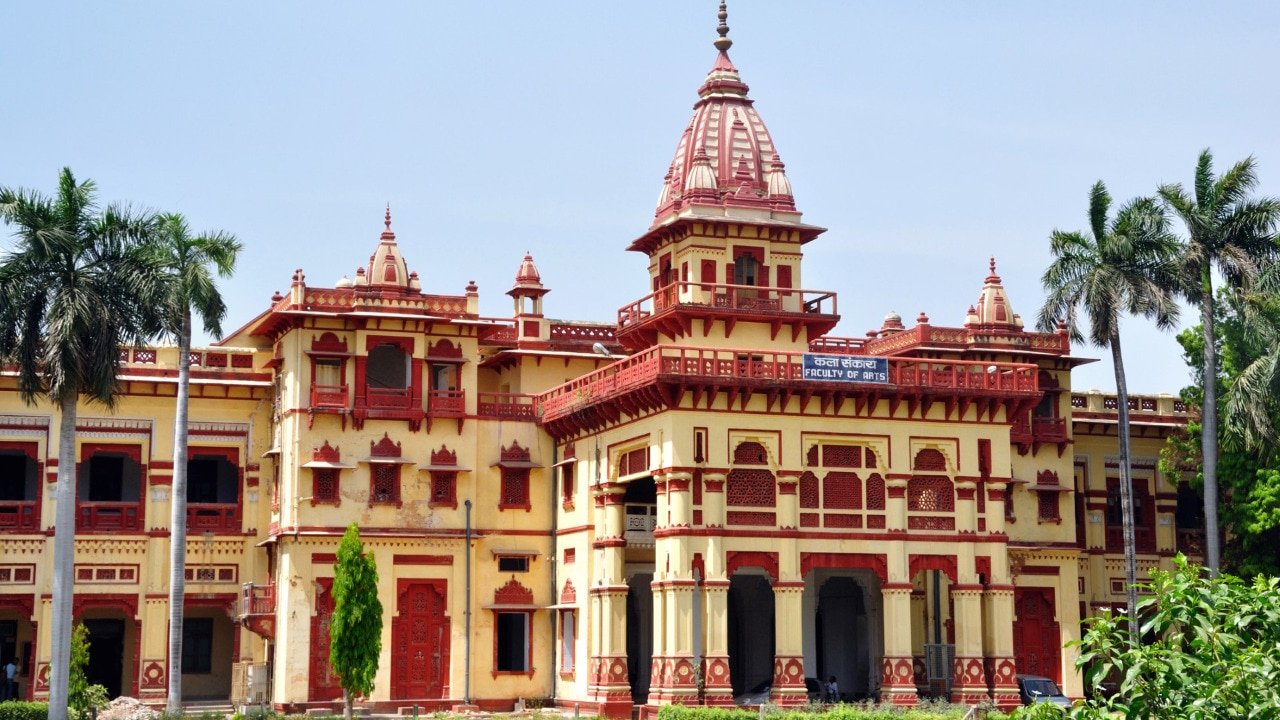
The Indian Institute of Technology (BHU) Varanasi, has constituted a nine-member committee to oversee urine-based drug testing for newly admitted students across its undergraduate, postgraduate and doctoral programmes. The move follows a directive from the Union Ministry of Education asking higher educational institutions, including IITs and IIMs, to implement drug-testing measures.
According to an official notification issued by the institute’s Deputy Registrar (Administration) on Saturday, the committee comprises faculty members and medical professionals from the Indian Institute of Technology (BHU) and Banaras Hindu University (BHU).
The proposed testing will cover students enrolling in B.Tech, M.Tech, Integrated Dual Degree (IDD) and PhD programmes. This is the first time IIT (BHU) has constituted a dedicated committee to oversee the process.
WHO WILL OVERSEE THE DRUG TESTING PROCESS?
The nine-member committee will be chaired by Professor Rajesh Kumar, Dean of Student Welfare at IIT (BHU). The other members are Professor Devendra Singh, Professor Medha Jha, Professor Abhishek Kumar Srivastava, Dr Ajit Kumar Mishra, Professor Kiran Giri from the Department of Pharmacology at IMS, BHU, Dr Deepa Rani from the Department of Pathology, Professor Kamlesh Palundurkar, Head of the Department of Biochemistry at BHU, and Tushar Kumar.
The panel will be responsible for overseeing the implementation of urine-based drug testing in accordance with the Ministry of Education’s directions. The involvement of faculty members and medical professionals is expected to support the institute in coordinating the proposed testing process.
WILL STUDENTS NEED TO GIVE CONSENT FOR DRUG TESTS?
Student consent is an important aspect of the proposed testing process. According to reports on the ministry’s guidelines, students will be required to provide consent before undergoing urine-based drug tests.
However, the institute’s notification does not specify the detailed procedure for obtaining consent, the schedule for conducting the tests or the protocols that will be followed if a student tests positive for substance use.
Further details regarding the implementation process, including how test results will be handled and whether any follow-up measures will be introduced, are awaited.
HOW MANY STUDENTS DOES IIT (BHU) ADMIT EVERY YEAR?
IIT (BHU) admits students to undergraduate, postgraduate and doctoral programmes across multiple disciplines. According to reports, the institute enrols around 1,500 students in B.Tech and Integrated Dual Degree programmes, approximately 400 students in M.Tech and M.Pharm programmes, and around 300 PhD scholars.
The proposed testing initiative will bring newly admitted students across the specified programmes within its scope. However, the exact number of students who will undergo testing and the timeline for implementation have not yet been specified.
The formation of the committee marks an initial step towards implementing the Ministry of Education’s directions at IIT (BHU). The next stage will depend on the institute’s detailed testing protocols, consent procedures and arrangements for handling the results.
As the institute works towards implementing the initiative, further clarity on these aspects will be important in determining how the drug-testing process will operate in practice.
– Ends
