
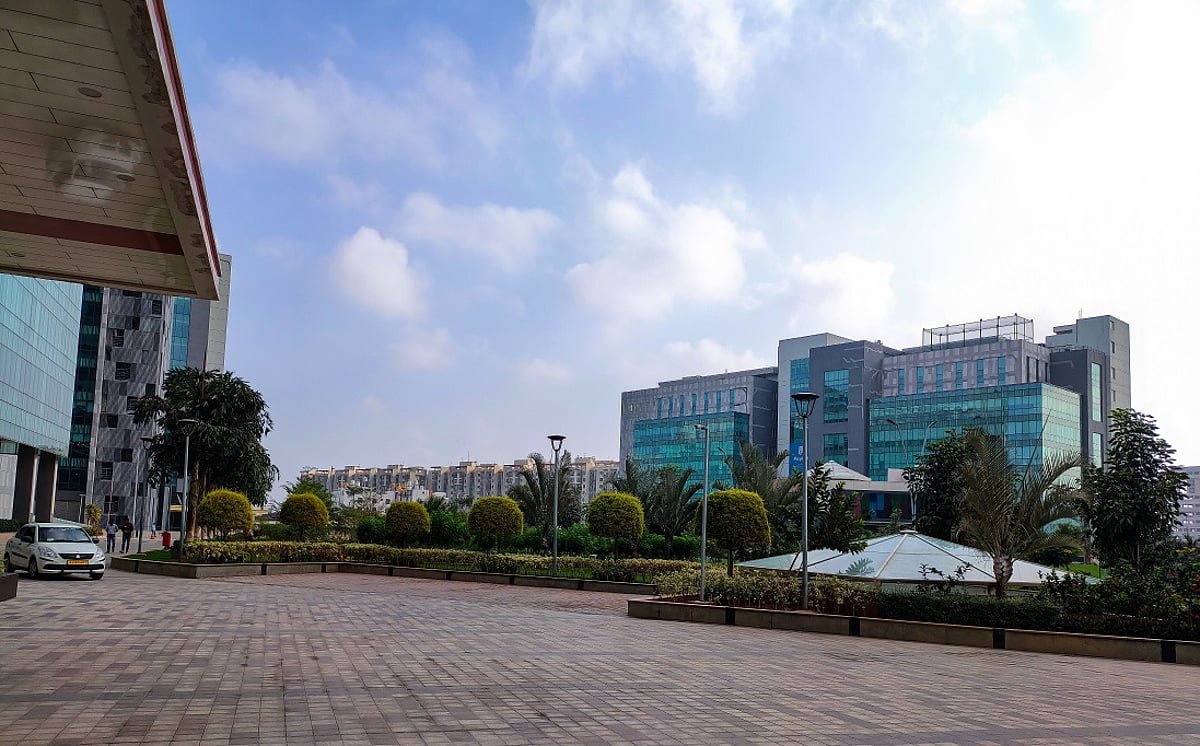
This challenge is particularly pronounced in Karnataka, which reportedly hosts approximately 32 data centres, nearly 30 of them concentrated in Bengaluru — a city that has faced recurring water shortages in recent years. According to Deloitte’s projections, a single 20 MW data centre can consume roughly 1.4 million litres of water per day, equivalent to the daily needs of around 27,000 urban households. This additional demand comes at a time when Bengaluru already relies on nearly 2,000 MLD of water from the Cauvery to meet citywide demand that can reach as high as 3,000 MLD, while thousands of government-operated borewells are reportedly running dry.
Against this backdrop, Karnataka’s Data Centre Policy commits to ensuring uninterrupted water access for data centres on a 24/7 basis, without expressly specifying how competing demands for water would be managed during periods of scarcity. This governance gap is becoming increasingly relevant as the state’s data centre footprint continues to expand, with several new facilities already in the pipeline.
The challenge is not unique to Karnataka. Mumbai and Chennai together account for roughly 70 per cent of India’s data centre capacity as of 2025, despite both cities facing well-documented water stress. A significant share of India’s thirsty AI infrastructure is being concentrated in regions least equipped to absorb additional water demand.
There are lacunae
Existing policy frameworks provide limited visibility into how this growing demand is being managed. None of the major state data centre policies currently require operators to disclose water consumption through a centralised reporting system. As a result, regulators may lack the information needed to identify emerging risks and intervene before local water stress intensifies.
These gaps are particularly relevant given India’s broader exposure to water risk. Planet Tracker ranks India second only to Indonesia among Asian countries in the number of data centres located in areas classified as experiencing “extremely high” water stress. In this context, the absence of robust monitoring, reporting and verification (MRV) mechanisms makes it difficult for policymakers, investors and communities to assess whether water-use commitments are being met, whether mitigation measures are effective, and where emerging risks may require intervention. As a result, the gap between policy intent and operational reality can remain difficult to detect.
This matters because data centres are long-lived assets that will shape resource-use patterns for decades. Decisions made at the point of establishment — such as the cooling technology deployed, the source of water secured, and the extent of dependence on local water resources — often persist throughout a data centre’s operational life. Retrofitting sustainable alternatives into a mature infrastructure is typically more complex and costly than integrating them from the outset. As India’s data centre ambitions continue to expand, the current phase of growth presents a valuable opportunity to embed stronger water-governance frameworks before operational practices and infrastructure choices become more difficult to change.