
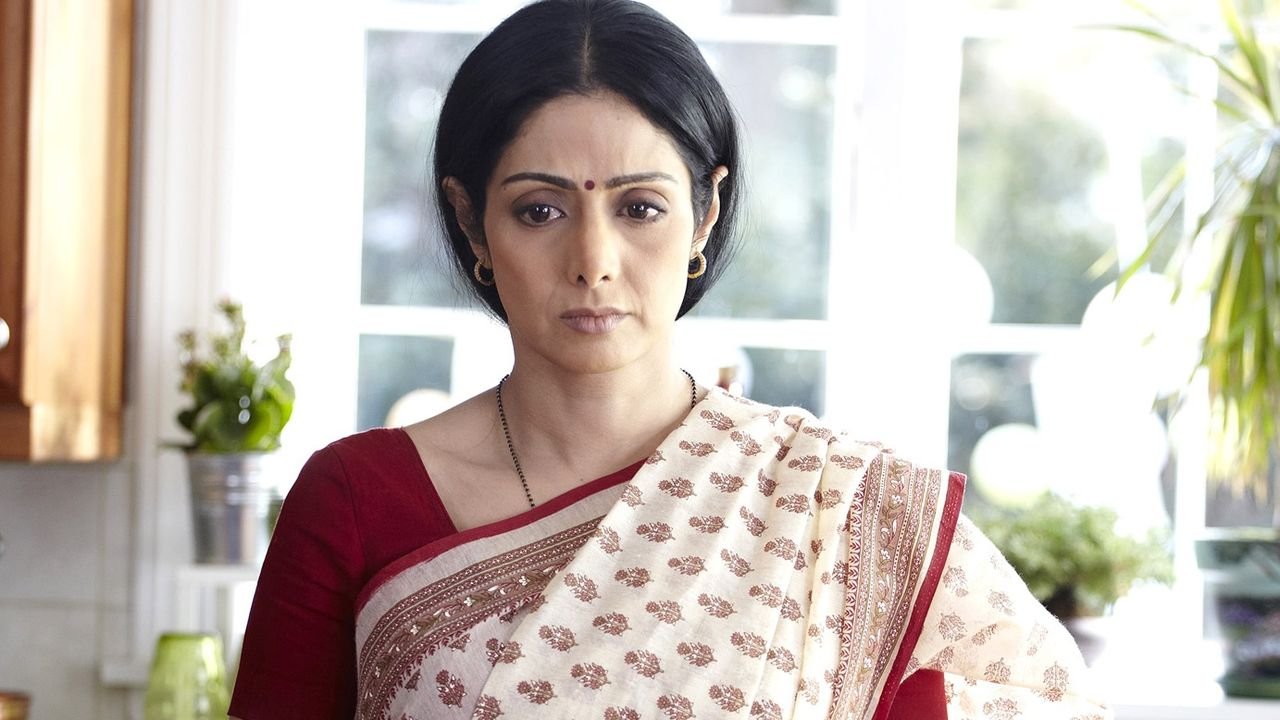
Film critic Udita Jhunjhunwala believes that women thrive on screen when they are allowed to contain multitudes. As examples, she points towards films like Raazi, Mardaani, Gangubai Kathiawadi, All We Imagine as Light, Girls Will Be Girls, Piku, Thappad and Kahaani, among others, which are significant, “not only because they centre women, but because they allow women subjectivity—desire, ambition, moral ambiguity, loneliness and anger—outside the traditional family framework. These are characters with texture, contradiction and nuance,” Jhunjhunwala notes.
Before the 2000s, it was the parallel cinema of filmmakers like Shyam Benegal, Goutam Ghose and K. Balachander that created alternative pathways for social debates, class consciousness, political commentary and, most of all, ushering in complex female characters played by veteran actors like Shabana Azmi, Aparna Sen, Deepti Naval, Smita Patil and Saritha. Today, these films have a cult following for their proto-feminist themes and have left their indelible mark on cinema. With mainstream Bollywood cinema continuing its production of formulaic, hyper-masculine and propaganda films with female characters once again regressing to mouthpieces, it’s smaller screens and OTT streaming platforms that are allowing writers and directors to take narrative risks. “Shows like Delhi Crime, Dahaad, Aarya, Bombay Begums and Kohrra portray women who move beyond symbolic ‘strength’ into institutional and political spaces as cops, power brokers, criminals, survivors, mothers and flawed authority figures,” Jhunjhunwala points out. “Long-form storytelling has created space for women characters with contradictions and conflicts; women who make informed choices, even when those choices are morally ambiguous. This is something mainstream Bollywood, still shaped by male stardom and theatrical formulas, often struggles to sustain consistently.”
Even though it feels like there is a long way to go before we get pop culture–defining discourse from mainstream Bollywood, similar to Amy Dunne’s monologue in Gone Girl or to America Ferrara’s soliloquy in Barbie, the success of Kiran Rao’s Laapata Ladies and Kalyani Priyadarshan’s Lokah Chapter 1: Chandra as well as upcoming commercial projects like Alpha and Shakti Shalini, suggest otherwise. Indian cinema has always been an accessible medium and a form of education for scores of us. These sources of power are slowly but surely shifting toward women filmmakers, writers and cinematographers who are using them to broadcast their forward-looking stories. I wonder if the Simran of today, instead of betting her entire future upon the whims of two men, would simply have delivered a sermon on the importance of financial independence to her father before booking her next Euro trip. Maybe the ‘andekha, anjaana’ entity who appeared in her dreams was just her future self showing her a glimpse of the thrilling days to come.