
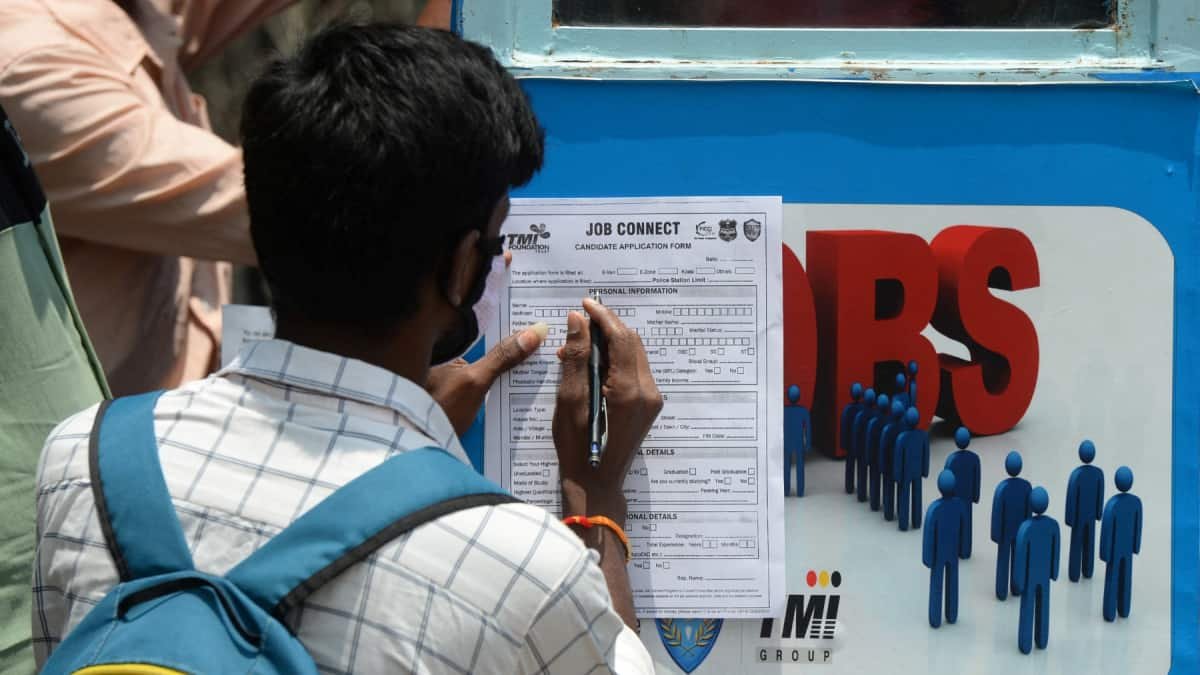
The National Statistics Office has revealed that 23.7 per cent of districts in India recorded a NEET rate of more than 30 per cent among people aged 15-29 years. NEET, which stands for ‘Not in Employment, Education, or Training’, is considered a more accurate measure of youth vulnerability
Most Indians associate the abbreviation NEET with the undergraduate medical entrance exam. However, in policy and labour data, the abbreviation also stands for “Not in Employment, Education, or Training.” It is a crucial indicator of young people who are not a part of the labour market, education, or training programmes.
India’s first district-level labour trends released by the National Statistical Office (NSO) in September 2026 have given insights into several employment trends, including NEET. It found that nearly one-fourth of surveyed districts had a relatively high NEET rate of over 30 per cent.
But first, what is NEET?
In India, ‘Not in Employment, Education, or Training’ or NEET is defined as the percentage of youths in the 15-29 age group who are out of the labour market, not pursuing education, and not acquiring any skill training.
Not being in either of the three translates to having limited institutional pathways for future employment. NEET goes beyond the standard unemployment indicators and is often considered by experts as a more accurate measure of youth vulnerability. There are 87 million young people classified as NEET in the country (based on 2021 data), according to a recent report by the Niti Ayog (National Institution for Transforming India).
Soon after this report was published, the Centre’s think-tank NITI Aayog clarified last month that NEET cannot be read as a ‘measure of joblessness’ and is instead defined as youth who fall under categories like such as those engaged in voluntary work/household enterprise, attending domestic duties, among others.
 More from Explainers
What is NEET’s global significance?
NEET is an internationally recognised sustainable growth indicator (SDG). It is linked to SDG-8 that focuses on ‘decent work and economic growth’ making it a common measure for tracking youth disengagement across different countries. SDGs are a set of 17 global goals adopted by the United Nations (UN).
Globally, there were 257 million youth, from the 19-24 age group in the NEET category, according to a latest employment trends report by the International Labour Organisation (ILO). A more worrying trend flagged in this report is the ‘female face’ of the challenge. More than two out of every three youth in NEET status across the world are women, the ILO report said.
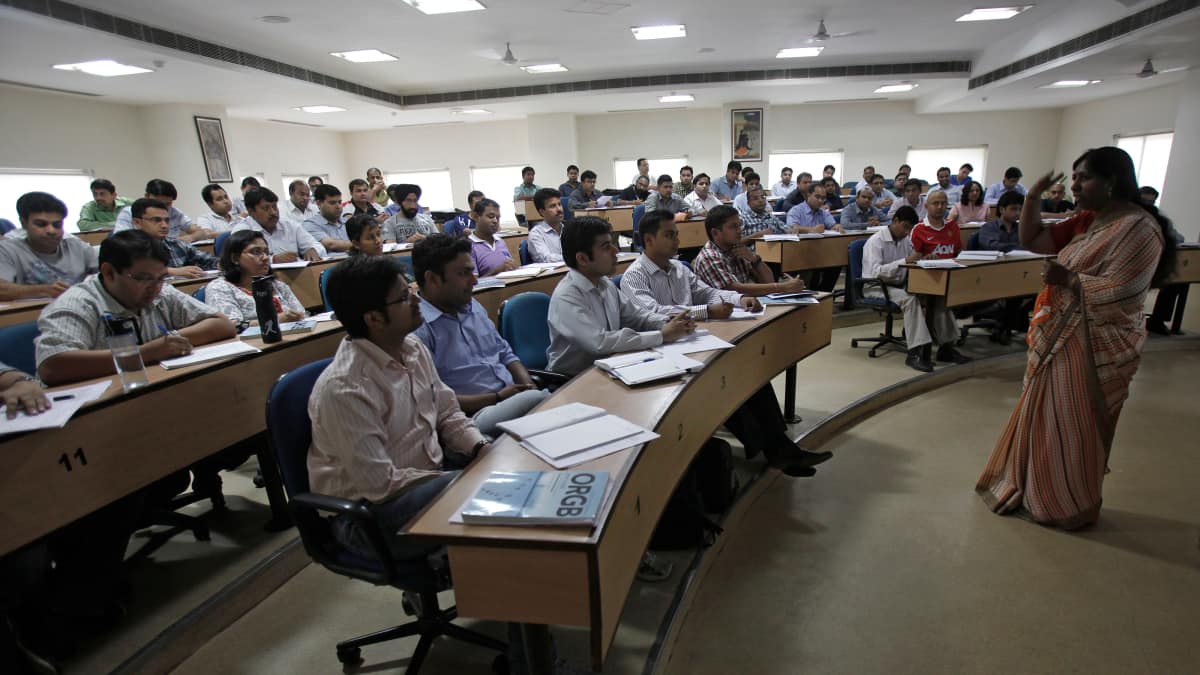
NEET, which stands for “Not in Employment, Education, or Training,” is a more accurate measure of youth vulnerability. Representational image/Reuters
How does NEET differ from other employment metrics?
Labour economists emphasise that NEET should not be conflated with standard unemployment metrics. For instance, metrics like unemployment rate (UR) measures those actively participating in the labour market, while NEET is more broad based and includes those who are not looking for work for a variety of reasons.
“First, there is a supply side dimension. People lack adequate skills which employers may be looking for. Even if they have completed some level of education, they may have skill constraints. Second is there are not enough jobs for everyone,” said Jajati Parida, professor at the School of Economics at University of Hyderabad. He is also the co-author of a recently published book
India Out of Work: Rethinking India’s Growth Story along with veteran economist Santosh Mehrotra.
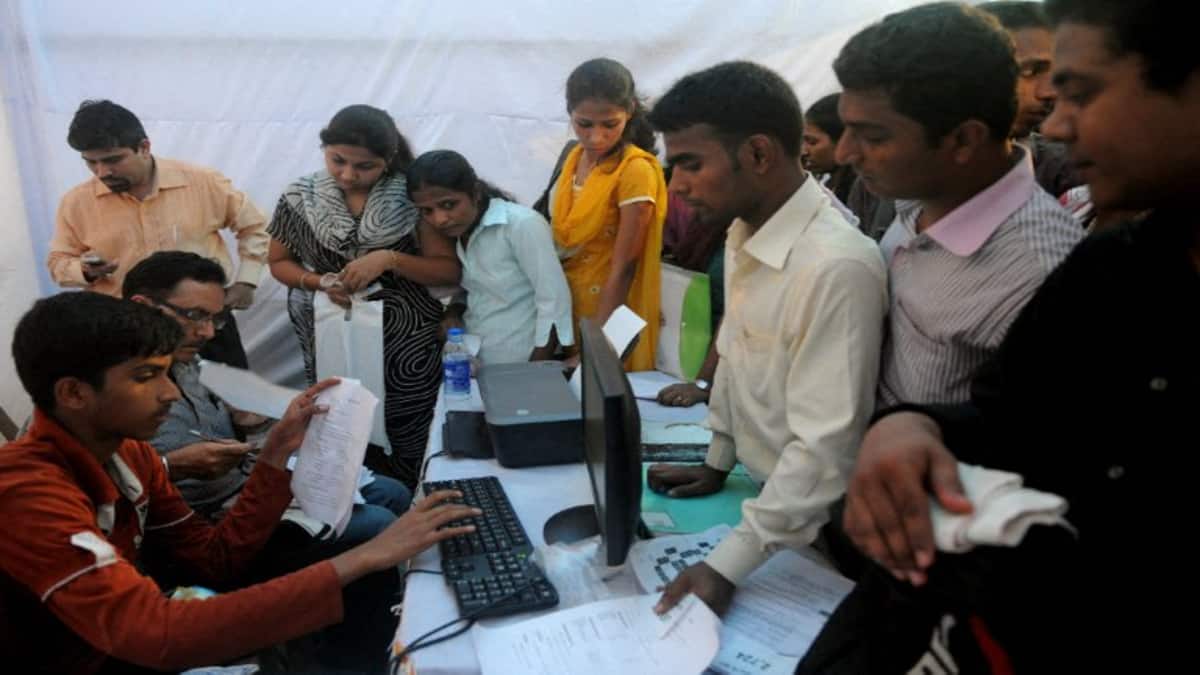
Indian youths gather around a stall at a jobs fair in Mumbai. NEET data is a comprehensive measure of youth participation in employment, education, and skilling. File image/AFP
What does the new district-level labour data reveal?
On September 18, the NSO published a report called ‘Labour Market Snapshot of Selected Districts’, which gives insights into labour market conditions at the district level. It goes into four key labour related indicators — Labour Force Participation Rates (LFPR), Worker Population Ratio (WPR), Unemployment Rate (UR) and NEET.
Only 4.2 per cent of districts showed a NEET rate below 10 per cent. Most districts (45.9 per cent) reported a NEET rate between 10-20 per cent, while 23.7 per cent recorded high NEET rates above 30 per cent.
NEET data showed wide intra-state variations. For instance, three districts in Odisha — Angul (56.1 per cent), Kendrapara (51.4 per cent) and Dhenkanal (45.3 per cent) — account for some of the highest Neet rates. At the same time, one of the lowest NEET districts is also from the same state — Nabarangpur (4.1 per cent). Additionally, Bihar recorded a generally high NEET rate, with more than half its districts being well above the 30 per cent mark.
Out of 100 most populous districts in the country, the top performers (with lowest NEET rates) were Keralam’s Ernakulam (9.6 per cent), followed by Tamil Nadu’s Coimbatore (14.5 per cent) and Karnataka’s Bengaluru Urban (15 per cent).
Why is NEET important for policymakers?
NEET data is a comprehensive measure of youth participation in employment, education, and skilling. It helps identify gaps in social protection and supports policymakers in designing targeted interventions, including measures to strengthen economic participation of youths.
“NEET is a better indicator when it comes to employment-related policy making. If policymakers only look at metrics like unemployment rate, it may not help us harness our demographic dividend,” Parida said.
“When we are planning to create jobs for the future, we need to account for the NEET population. We also need to consider those who are completing their education because each year, millions of young people finish their studies and start looking for jobs,” he added.
A report titled ‘State of Working India 2026’ by Bengaluru-based Azim Premji University (APU) published in March showed that the transition from education to employment remains a major challenge particularly for graduates. Approximately five million graduates were added annually between 2004-05 and 2023, but only 2.8 million found employment, according to the APU report.
Anuja is an independent journalist based in New Delhi and reports on politics, policy, labour, gender and migration.