
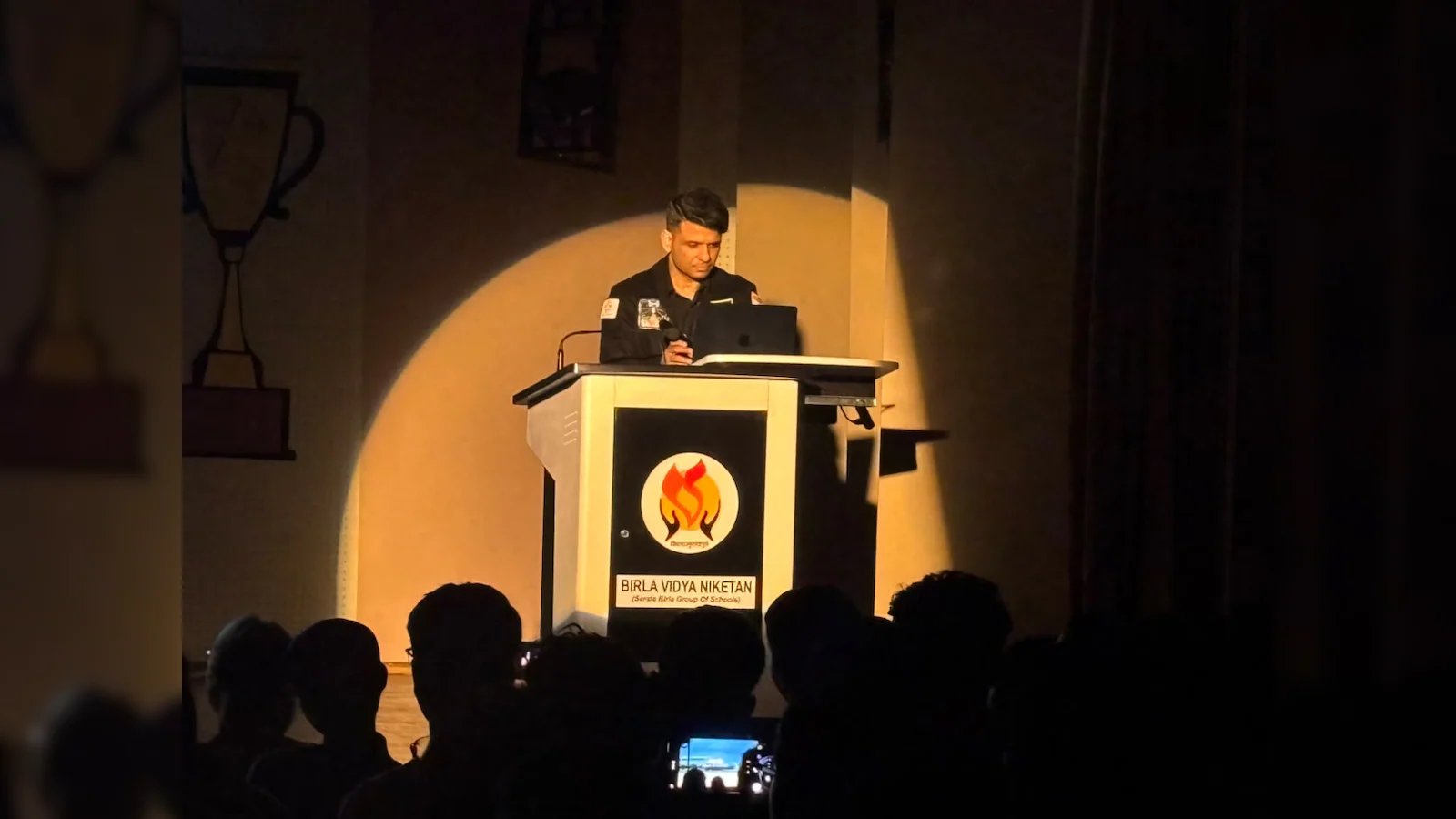
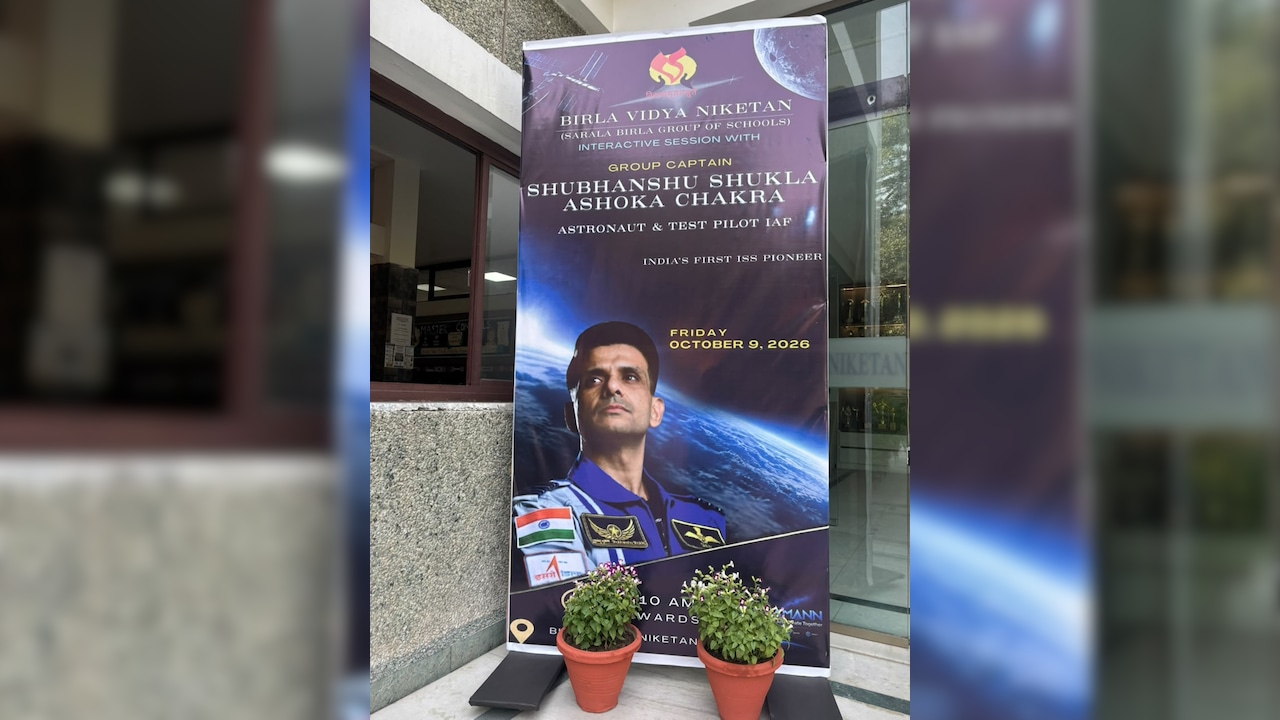
New Delhi: Group Captain Shubhanshu Shukla, India’s second astronaut to travel to space, recently interacted with students at Birla Vidya Niketan in Pushp Vihar, New Delhi, sharing memorable moments from his mission to the International Space Station (ISS). The programme brought together students from around 21 schools, with meritorious students also honoured during the award ceremony.
During the interaction, Shukla spoke about the emotional experience of seeing the Indian Tricolour in space, the challenges of becoming an astronaut and the importance of developing self-confidence. Encouraging students to face uncertainty with courage, he said, “Fear is in the mind, not in reality.”
Recalling the third day of his stay aboard the International Space Station, Shukla shared an experience that left a lasting impression on him. He was scheduled to interact with Prime Minister Narendra Modi, and the preparations for the conversation included a radio check.
During the process, Shukla saw the Indian Tricolour on the ISS for the first time and heard Hindi being spoken. The combination made the moment particularly special for him, bringing a sense of pride and reminding him of the responsibility of representing India on an international platform.
For Shukla, the experience was not just about seeing the national flag far from Earth. It was also a reminder of his connection with the country while working aboard a space station hundreds of kilometres above the planet.
“Fear Is In The Mind, Not In Reality”: Shukla’s Advice To Students
During the programme at Birla Vidya Niketan, a student asked Shukla whether he had ever felt underprepared or doubted his abilities while preparing for his space mission.
Responding to the question, he explained that challenges are an inevitable part of life, whether during school, higher education or professional careers. However, he encouraged students not to let fear prevent them from pursuing their ambitions.
He explained that confidence often develops after taking action and completing a task, making it important to combine preparation with the courage to move forward.
His message to students was clear: believe in yourself, listen to your aspirations and make a sincere effort to achieve your goals rather than allowing uncertainty to hold you back.
Fighter Pilot Or Astronaut: Which Career Is More Difficult?
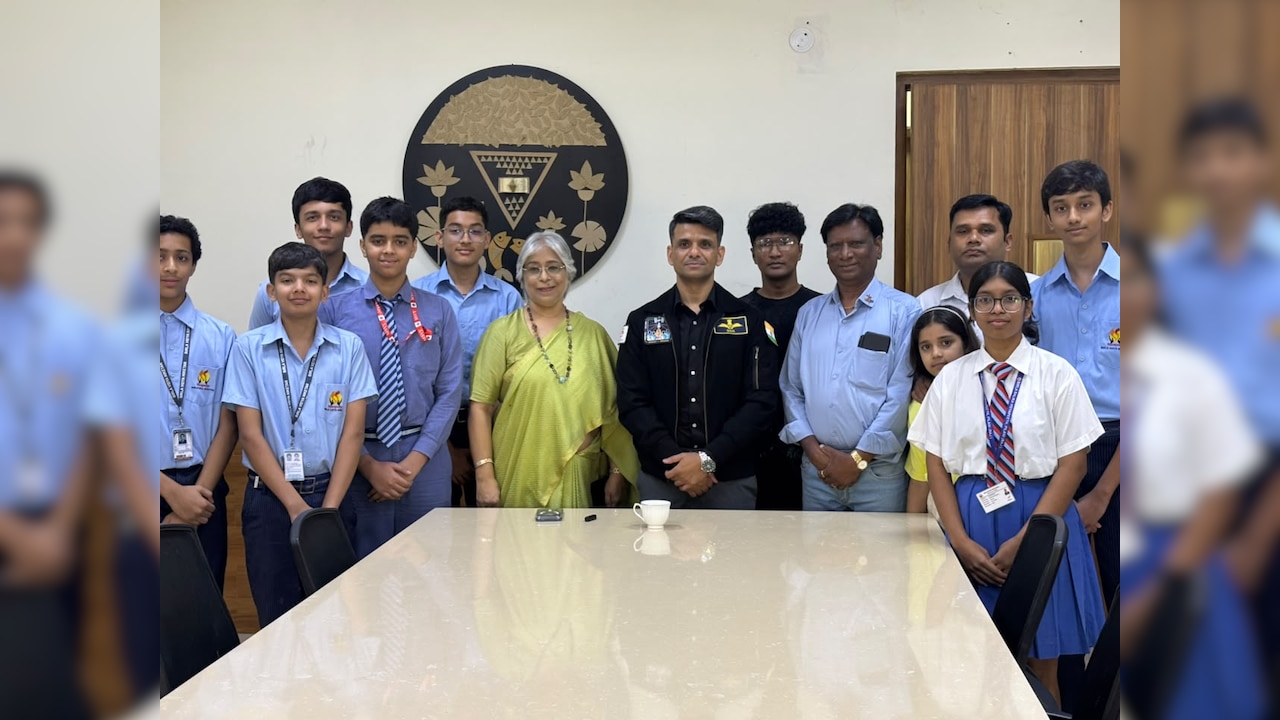
A student from Modern School, Vedant Mehta, asked Shukla whether becoming a fighter pilot was more difficult than travelling to space.
Shukla explained that both careers present different challenges because they involve distinct environments, responsibilities and skill requirements. He emphasised that persistent effort can make even difficult tasks more manageable over time.
The interaction offered students an opportunity to understand the demands of careers that require discipline, technical knowledge, adaptability and the ability to perform under pressure.
“If Not You, Then Who?”: Shukla On Responsibility And Perseverance
Another student asked Shukla whether he felt the weight of responsibility as the second Indian to travel to space.
In response, he said he did not spend too much time thinking about the magnitude of the responsibility. Instead, he focused on how well he was performing his duties. He shared a question that guides his approach to challenging situations: “If not you, then who?”
Shukla acknowledged that the journey could involve disappointment but described it as an experience that teaches valuable lessons. He encouraged students to trust their individual journeys and continue working towards their goals despite setbacks.
Learning, Adaptability And India’s Future In Space
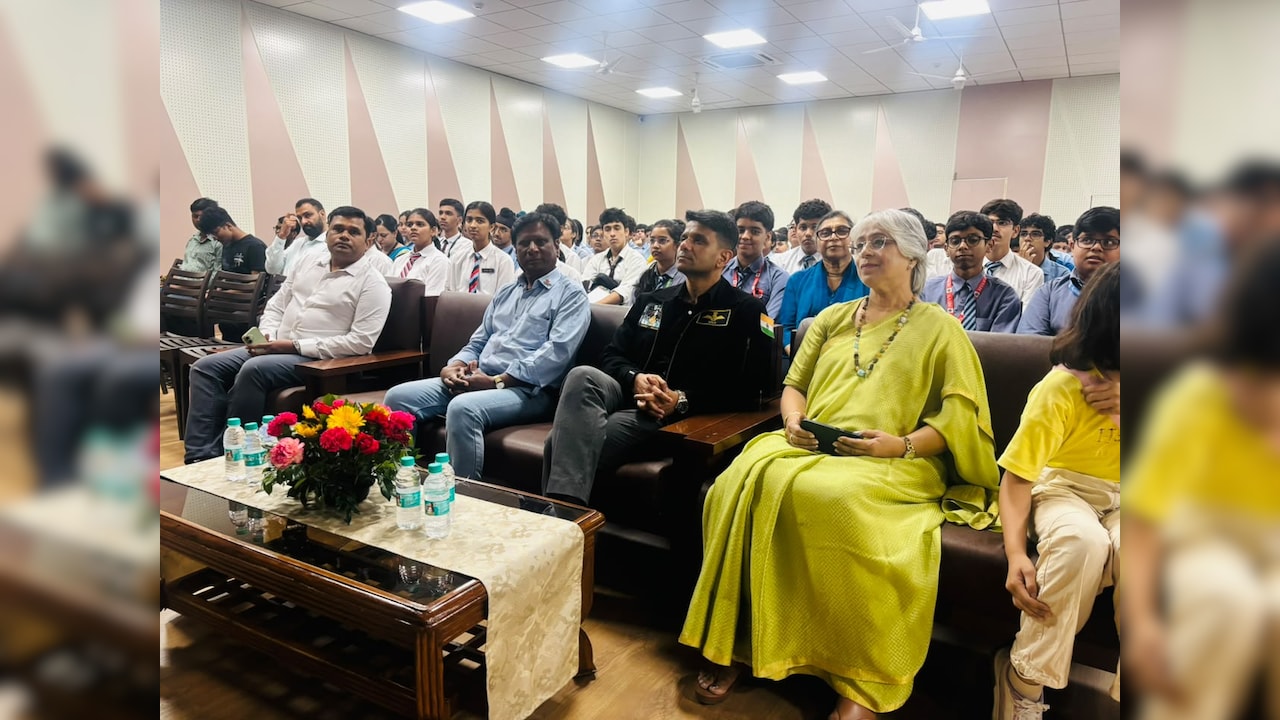
Addressing the students, Shukla highlighted the importance of continuous learning, adaptability and independent problem-solving.
He also stressed that academic achievements should go hand in hand with character development and strong values.
Referring to India’s space ambitions, he spoke about his journey to space in 2025, 41 years after Wing Commander Rakesh Sharma became the first Indian to travel to space in 1984. He also discussed India’s plans for the Gaganyaan mission, the proposed Indian space station and the goal of sending an Indian to the Moon by 2040.
Shukla urged schools and parents to familiarise students with emerging career opportunities and encourage them to pursue their interests. He also highlighted the role of citizens in India’s ambition to become a developed nation by 2047.
The interaction at Birla Vidya Niketan went beyond a discussion about space travel. Through his experiences, Shukla encouraged students to embrace challenges, keep learning and approach their ambitions with preparation, confidence and perseverance.