
The latest branch campus to open in India is offering biosciences as well as targeting the country’s burgeoning tech sector, with low pricing helping to attract one of the largest cohorts yet.
The University of Liverpool’s newly launched campus in Bengaluru has brought Russell Group teaching to the largest city in south India for the first time.
It has recruited just under 300 students across eight flagship programmes. Richard Grose, provost at University of Liverpool Bengaluru, told Times Higher Education that he was delighted with these enrolment numbers.
“We’re certainly happy with where we are…it’s very difficult to estimate the students, especially when you’re coming in. We were going for 300 basically.”
“We’ve been successful in that regard,” he said, explaining that the admissions team had interviewed more than 1,000 students as part of the selection process.
“It’s really nice because when students come, they already know one member of faculty that they’ve interacted with,” he added.
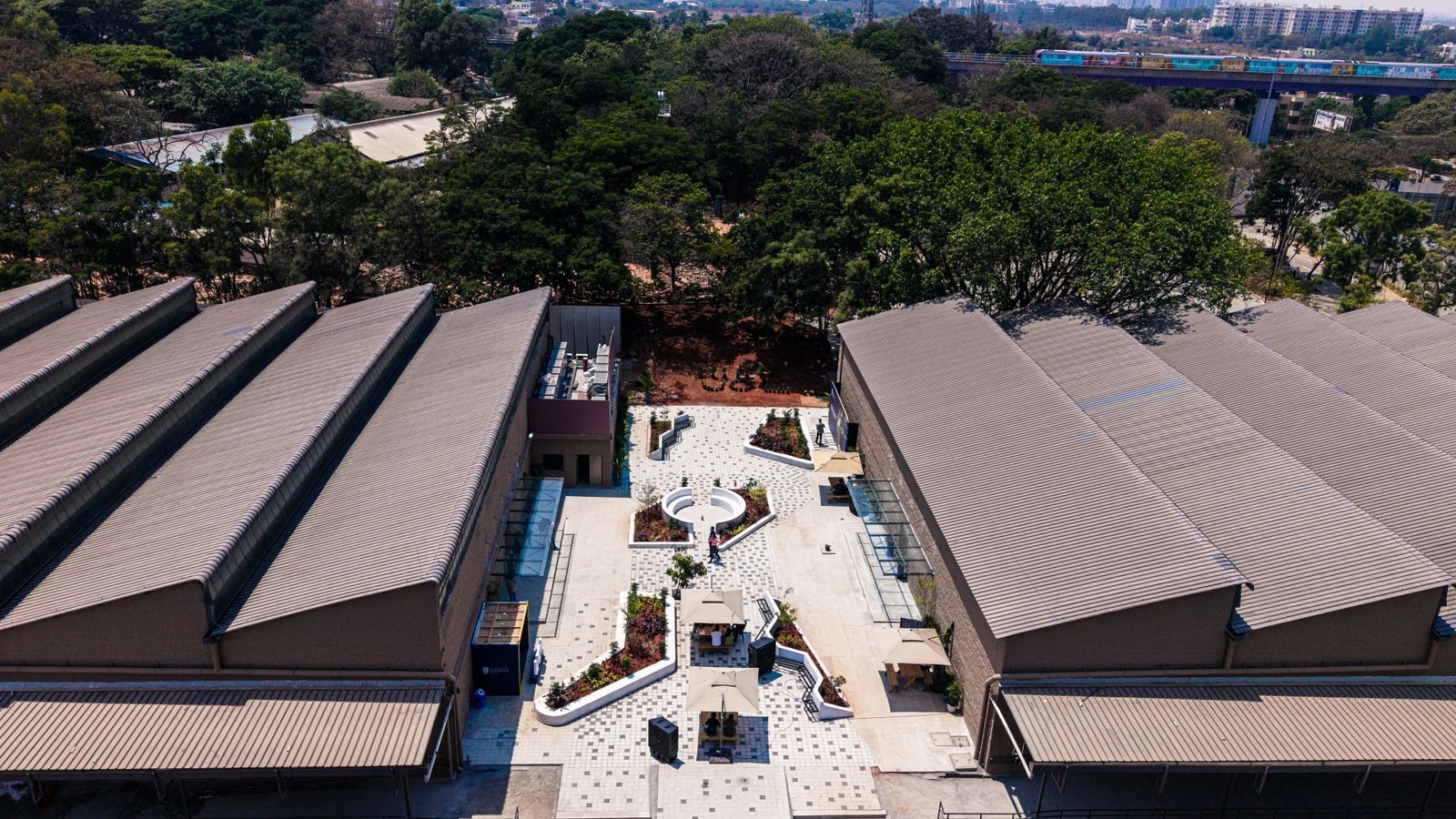
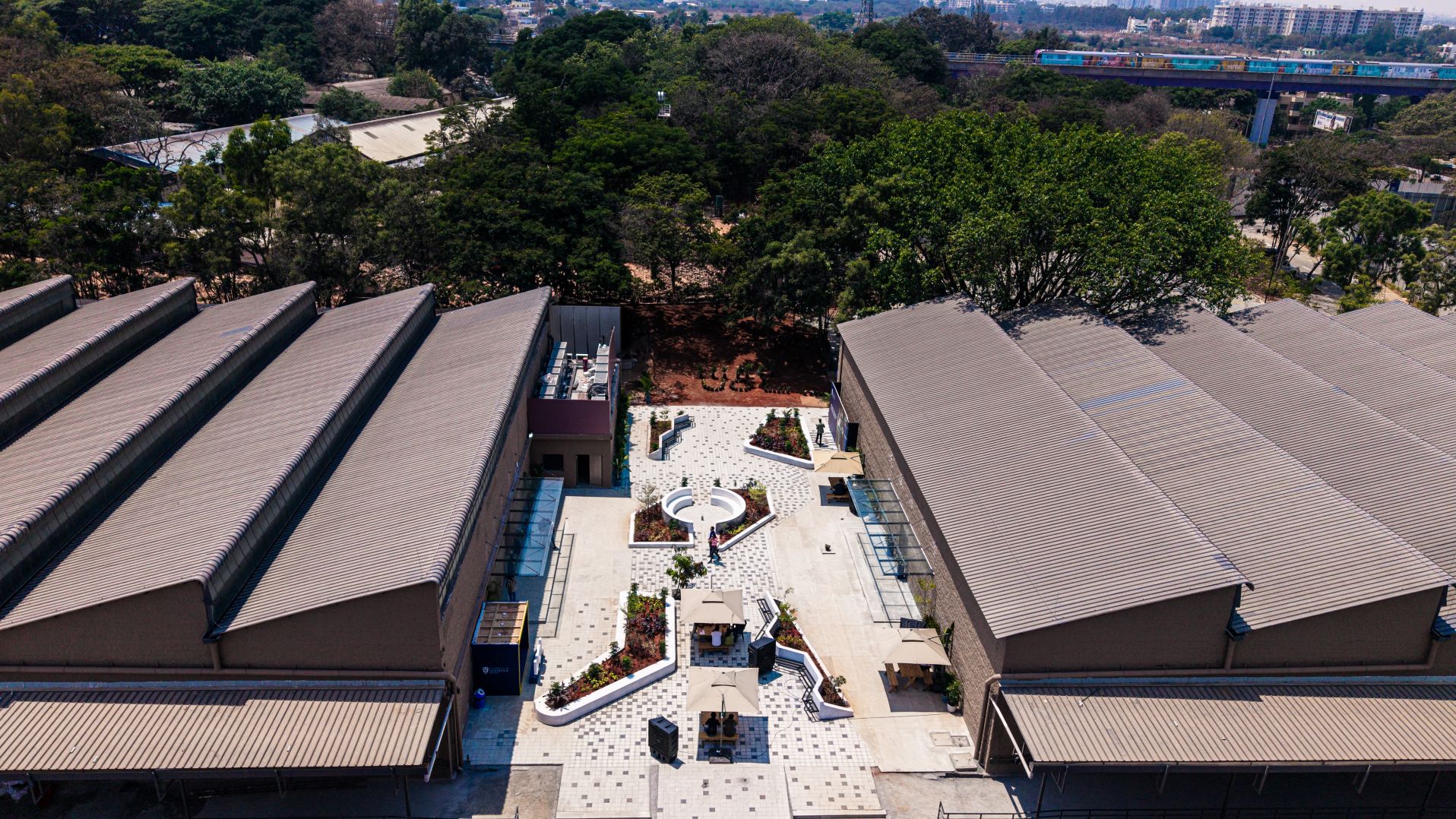
The two-acre campus, positioned beside a 100-year-old banyan tree occupied by monkeys, sits within the much bigger 90-acre Alembic City development in Whitefield, along the eastern edge of the state capital.
Liverpool’s campus neighbours are residential developments and corporate offices, including those of tech giant Google, and the wider eastern side of Bengaluru boasts more than 2,000 tech hubs.
The 300-student intake is split across six undergraduate and two postgraduate programmes, with a core focus on areas including biosciences, game design, computer science, business management and finance.
According to Grose – a professor of cancer cell biology – specialising in biosciences enables the university to differentiate itself by offering something “a bit different” than simply computer science. It was also one of the major reasons Liverpool selected Bengaluru as a location.
“We already had some really good ongoing collaborations here,” Grose said. The most significant of these is a longstanding research partnership with the National Institute of Mental Health and Neuro Sciences, which began as early as 2002.
Offering subjects such as game design and biosciences could help Liverpool stand out from the other 13 international campuses that now have a presence in India. But Grose insisted that the institutions collaborate and support one another even if “we want to be the best international branch campus here”.
Grose said he meets provosts from other branch campuses regularly and is already looking forward to attending the graduation ceremony for the first cohort of students at the University of Southampton Delhi in December.
However, setting up an overseas venture in India has not been without its regulatory and administrative hurdles.
Liverpool only received its letter of approval from India’s University Grants Commission in June, which delayed its recruitment cycle because a campus cannot accept fees until it has this letter of approval. This created a more constrained time frame in which to recruit students and faculty.
Staffing the university had also proved “challenging”, said Grose. Liverpool has recruited international academics and Indian academics with international experience, and staff from the UK campus will be regularly seconded to Bengaluru.
The question of staffing branch campuses is becoming increasingly contentious in India, with the University of Western Australia recently drawing opposition from locals after receiving approval to establish a branch campus in Chennai.
The political backlash from groups including the Tamil Nadu Government College Teachers’ Association was centred on concerns about inequality gaps emerging in higher education, with teacher posts going vacant in the region’s main universities.
However, UOL Bengaluru’s provost argued that the battle for staff and students was no different in India than in any other academic setting. “Academia is competitive,” he said.
Rahul Choudaha, director of DrEducation Research who analyses international branch campuses in India, told Times Higher Education that the Liverpool Bengaluru campus “has made an impressive start”.
“To put it in perspective, Southampton Delhi launched in July 2025 with 120 students across six programmes, and Deakin Gift City started in July 2024 with just 43 students across two programmes. Liverpool Bengaluru launched with eight programmes and enrolled nearly 300, so it holds up well on a per-programme basis too.”
In terms of tuition pricing, Choudaha said that UOL Bengaluru “has positioned itself quite well relative to other campuses”.
Liverpool has set its total tuition fee for three-year undergraduate courses at roughly £27,200, equivalent to £9,000 per year.
This is lower than some other universities in the region. For example, the University of New South Wales Bengaluru charges about £35,300 for three-year undergraduate programmes.