
The latest NTA reform exercise is not starting from scratch. The Nandan Nilekani-led High-Powered Task Force on public examinations has consulted former ISRO Chairman K Radhakrishnan, who headed the government committee formed after the 2024 NEET controversy.
The new task force is also seeking views from students, parents, teachers, academics, technology experts and exam-conducting bodies.
That makes the interesting question less about who met whom and more about this: how much of the 2024 reform blueprint has actually reached the exam hall, and what could still change?
The Radhakrishnan committee submitted 101 recommendations in October 2024, grouped into 46 major action points. Its proposals covered examination security, candidate authentication, centre management, technology, state coordination and the structure of the NTA.
Here are seven NTA exam reforms students could see as the Nilekani panel revisits the old plan:
1. PAPER LEAKS: MORE SECURITY AT EVERY STEP
The 2024 panel proposed tighter SOPs for question-paper preparation, printing, transportation and storage, along with encrypted transmission and printing closer to examination centres.
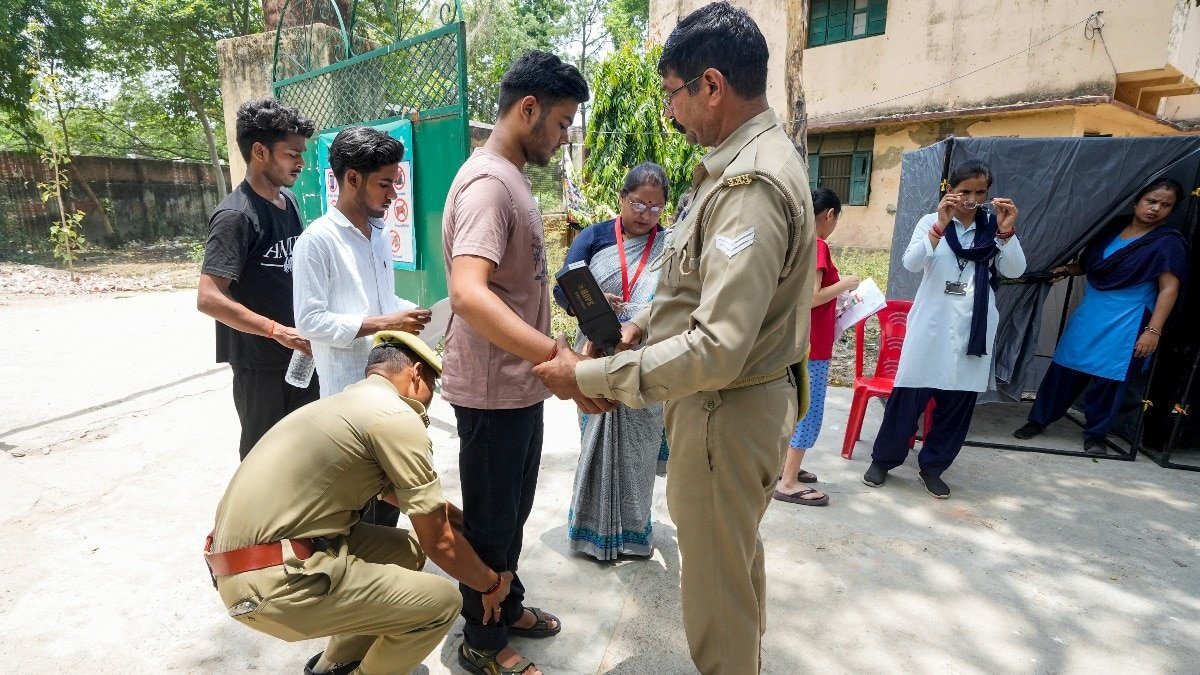
Some of this has since moved into practice. The NTA has reported stronger question-paper security, multi-layer frisking, CCTV surveillance and other controls.
The Nilekani task force is specifically examining examination integrity and security, so the next phase could focus on closing gaps between these protocols and their execution on the ground.
2. CENTRE ALLOCATION COULD GET A BIGGER OVERHAUL
Centre selection was another weak link identified by the Radhakrishnan panel.
It recommended stronger state and district coordination, secure-centre identification and greater use of government institutions. For NEET UG 2026, the government said more than 99.5 per cent of examination centres were government institutions, with state and district coordination committees involved.
That leaves a bigger question for the new task force: can centre allocation, logistics and local oversight become a permanent national system rather than an exam-specific arrangement?
3. DIGITAL IDENTITY MAY BECOME STANDARD
The earlier panel proposed its Digi-Exam framework, including Aadhaar-based or biometric verification and authentication at multiple stages.
NTA has since introduced Aadhaar-based biometric and face authentication for NEET, along with AI-based CCTV monitoring.
The new review could therefore move beyond simply asking whether candidates are genuine to examining how identity, attendance and examination records can be securely linked end to end.
4. AI AND CYBERSECURITY
The Radhakrishnan report pushed for stronger information security and greater use of technology, including a longer-term move towards computer-based and computer-adaptive testing. Some technology-based monitoring is already being used, while information-security upgrades and wider AI monitoring remain areas of continuing implementation.
The Nilekani panel’s mandate explicitly includes technology deployment and examination security.
5. NTA MAY NEED MORE PERMANENT STAFF
This is one reform that goes beyond cameras and biometrics.
The Radhakrishnan committee recommended more permanent, domain-specific NTA staff and specialised verticals, while reducing dependence on contractors. The Supreme Court has also stressed the need to institutionalise the NTA with adequate manpower.
The government has created new senior-level posts, but staffing remains part of the broader institutional reform agenda.
6. GRIEVANCE REDRESSAL COULD GET MORE ATTENTION
The 101 recommendations also covered candidate grievances and communication with students.
NTA says improved grievance redressal systems have been introduced. But the new task force is consulting students and parents directly, potentially bringing the candidate experience further into exam-system design.
7. THE BIGGEST CHANGE MAY BE IMPLEMENTATION ITSELF
This is where the two reform exercises overlap most sharply.
The government has said many Radhakrishnan recommendations have been implemented or are under execution. However, an India Today RTI investigation found that NTA did not initially have a consolidated recommendation-wise record showing what was fully implemented, partly implemented or pending. NTA later acknowledged that its earlier RTI response was incomplete, but a complete public tracker was still not provided.
That gap matters because the Nilekani task force is now examining not just exam security, but the governance and institutional systems behind public examinations.
For students, the eventual test will be simple: whether the NTA reforms designed in committee rooms translate into a question paper that reaches the right centre, a candidate whose identity is secure, a result that can be trusted and a grievance that gets a clear answer.
– Ends